Semaglutide vs. Tirzepatide: Understanding Medical Weight Loss Options
If you're weighing your options between semaglutide and tirzepatide for medical weight loss, you're asking the right question. These two medications have transformed how physicians approach treating obesity, and the differences between them matter more than most online summaries suggest. This guide breaks down the science, trial data, side effects, and practical decision points so you can walk into your next appointment informed and confident.
Key Takeaways
- Tirzepatide can achieve up to 22.5% weight loss at 72 weeks, while semaglutide typically results in about 15% weight loss over a similar period. In head-to-head trials, tirzepatide outperformed semaglutide on average percentage of body weight lost.
- Semaglutide only activates GLP-1 receptors, while tirzepatide is a dual agonist for GLP-1 and GIP receptors. This mechanistic difference largely explains tirzepatide's edge in weight reduction and glycemic control.
- Neither medication is a quick fix. Both work best when paired with a reduced calorie diet, adequate protein intake, and regular physical activity. Stopping them without lifestyle changes in place often leads to significant weight regain.
- BWell Clinic offers medically supervised semaglutide and tirzepatide weight loss programs in Lakeway, Stone Oak (San Antonio), and Keller, TX, with telemedicine options available for eligible patients across Texas.
- Always consult a healthcare provider before starting any GLP-1 or dual agonist medication, especially if you have a personal or family history of thyroid disease, pancreatitis, chronic kidney disease, or complex cardiometabolic conditions.
What Are Semaglutide and Tirzepatide?
Semaglutide and tirzepatide are prescription injectable medications originally developed for type 2 diabetes that have become cornerstones of modern medical weight loss. Both are FDA approved for chronic weight management in adults with obesity or overweight status who have at least one weight-related complication.
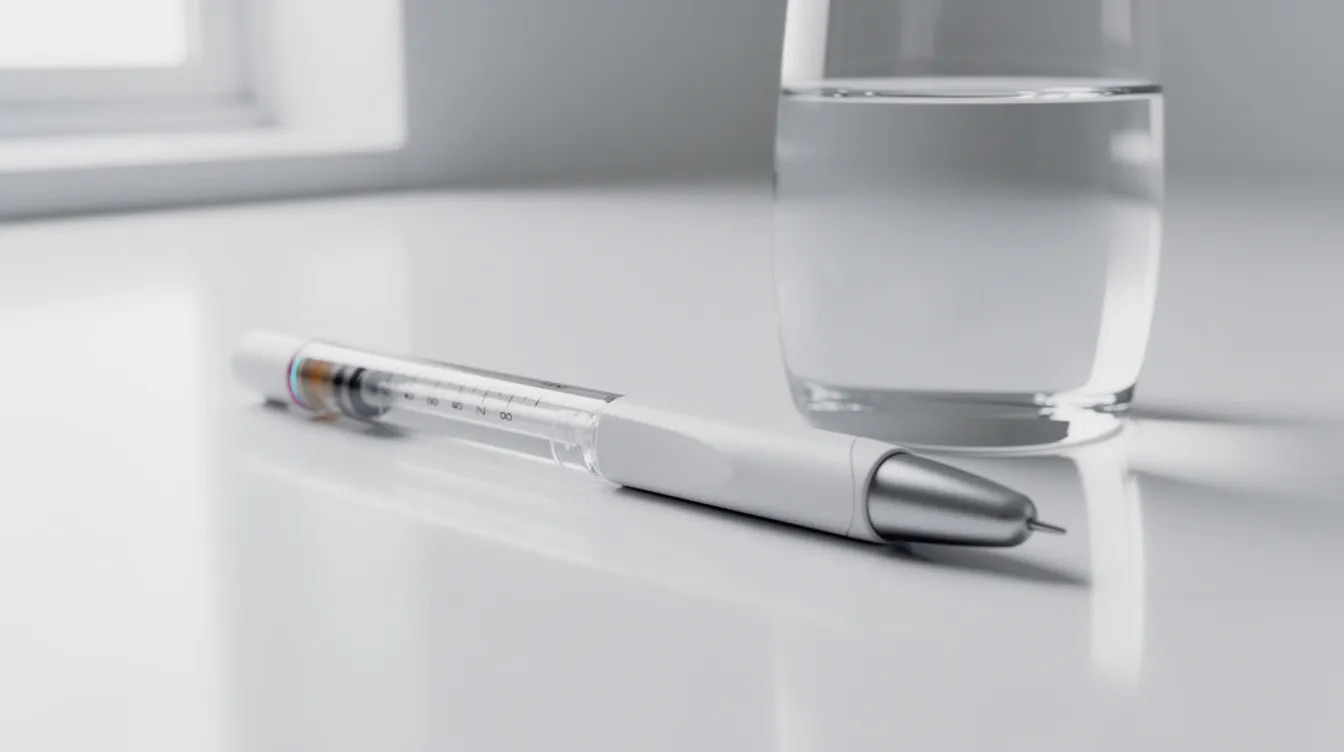
Semaglutide is a GLP-1 receptor agonist-you may recognize the brand names Ozempic (for diabetes) and Wegovy (for weight management). Tirzepatide is a dual agonist targeting both GLP-1 and glucose dependent insulinotropic polypeptide (GIP) receptors, marketed as Mounjaro (diabetes) and Zepbound (obesity). Both are given as a once-weekly subcutaneous injection, with doses gradually increased under medical supervision.
This article compares semaglutide vs tirzepatide specifically for weight loss and weight reduction in adults, not for every possible clinical use of these medications.
Why Compare Semaglutide vs Tirzepatide for Weight Loss?
Obesity rates in the United States-and particularly in Texas-continue to climb. Many adults struggle to lose weight through diet and exercise alone, and the emergence of GLP-1 medications has given physicians and patients a powerful new category of treatment. Among these options, semaglutide and tirzepatide are the two most discussed.
Patients now routinely ask: "Which one is better?" The honest answer is that it depends on your goals, your tolerance for side effects, and your overall health. Tirzepatide often results in greater average weight reduction in clinical trials, while semaglutide has a longer real-world track record, more formulations (including an oral version for certain uses), and more established cardiovascular benefits data.
At BWell Clinic, the choice between semaglutide and tirzepatide is always individualized. It starts with a thorough review of your medical history, lab results, body composition, and personal preferences-not a one-size-fits-all prescription.
How Semaglutide Works: A GLP‑1 Receptor Agonist
Semaglutide mimics GLP-1, a naturally occurring hormone released by the intestine after eating. GLP-1 receptor activation reduces food intake and increases satiety-meaning you feel full sooner and stay satisfied longer. Semaglutide mimics GLP-1, enhancing insulin secretion in a glucose-dependent way, which helps regulate blood sugar without the dangerous lows that some older diabetes medications cause.
In practical terms, semaglutide slows stomach emptying, dials down appetite at the brain level, and helps many people eat fewer calories without feeling deprived. This is not a crash diet effect-it supports gradual, steady progress toward a healthier body weight.
Beyond appetite and weight, glucagon like peptide 1 (GLP-1) agonism has demonstrated beneficial effects on the cardiovascular system, inflammation, and liver health. Large cardiovascular outcome trials have confirmed these advantages for semaglutide at weight-management doses, a point we'll cover in depth below.
BWell Clinic uses semaglutide in customized protocols that pair the medication with nutrition coaching, lifestyle changes, and ongoing monitoring of lab markers and body composition as part of its physician supervised medical weight loss programs in Texas (medical weight loss programs for adults in Texas).
How Tirzepatide Works: Dual GLP‑1 and GIP Agonist
Tirzepatide acts as a dual agonist for GLP-1 and GIP, activating two incretin hormone receptors instead of one. This dual mechanism enhances insulin response, deepens satiety, and may improve fat metabolism more effectively than GLP-1 alone.
GIP (glucose dependent insulinotropic polypeptide) appears to complement GLP-1's actions in the brain and adipose tissue. While the science is still being refined, early data suggest that this combination helps some patients lose weight more aggressively and maintain better glycemic control than single-receptor medications.
Tirzepatide is a dual agonist for GLP-1 and GIP receptors, and this dual approach is the primary reason it tends to produce greater average weight loss in clinical studies. It also appears to have robust effects on lipid profiles, blood pressure, and waist circumference.
BWell Clinic offers tirzepatide as a higher-potency option for appropriate candidates who need or want more aggressive weight reduction-especially those with higher baseline BMI or significant metabolic complications.
Head-to-Head Effectiveness: How Much Weight Can You Lose?
This is where the numbers tell a clear story. Here are the key findings from published clinical trials through 2026:
| Trial | Population | Drug & Dose | Duration | Mean Weight Loss |
|---|---|---|---|---|
| SURMOUNT-5 | Adults with obesity, no diabetes | Tirzepatide 10–15 mg | 72 weeks | ~20.2% |
| SURMOUNT-5 | Adults with obesity, no diabetes | Semaglutide 1.7–2.4 mg | 72 weeks | ~13.7% |
| SURMOUNT-1 | Non-diabetic obesity | Tirzepatide 15 mg | 72 weeks | ~20.9% |
| STEP-1 | Non-diabetic obesity | Semaglutide 2.4 mg | 68 weeks | ~14.9–15% |
| SURMOUNT-2 | Obesity + type 2 diabetes | Tirzepatide 10–15 mg | 72 weeks | ~12.8–14.7% |
| STEP-2 | Obesity + type 2 diabetes | Semaglutide 2.4 mg | 68 weeks | ~9.6% |
Tirzepatide achieved 22.5% weight loss at 72 weeks in some trial analyses at higher doses, making it the most potent weight-loss medication currently available. Semaglutide led to 15% weight loss over two years and semaglutide can reduce body weight by 15% after one year at therapeutic doses.
In the landmark SURMOUNT-5 head-to-head study, patients on tirzepatide lost about 20% of body weight versus roughly 14% on semaglutide-a statistically significant and clinically meaningful gap. Tirzepatide users had a sustained mean weight loss of 20% after three years in extension analyses, further reinforcing its durability.
For context, one third of liraglutide users (an older GLP-1 drug) lost 10% of body weight in one year. Both semaglutide and tirzepatide represent a major leap forward over previous generation medications.
At BWell Clinic, expectations are set honestly: many patients lose 1–3 pounds per week once at a therapeutic dose, depending on adherence, baseline health, and how well lifestyle changes are integrated.

Clinical Indications and FDA Approvals
As of 2026, here is the current FDA-approved landscape:
- Semaglutide: Wegovy (injection) for chronic weight management in adults with obesity (BMI ≥30) or overweight (BMI ≥27 with a weight-related comorbidity). Ozempic and Rybelsus for type 2 diabetes. Newer higher-dose injectable formulations have also received approval.
- Tirzepatide: Zepbound for chronic weight management and obesity treatment. Mounjaro for type 2 diabetes.
Wegovy injection is also approved for certain adolescents (≥12 years), but BWell Clinic primarily serves adults aged 30–65. Both medications carry indications for long-term use, including weight maintenance after initial loss.
BWell Clinic prescribes both semaglutide and tirzepatide within evidence-based, on-label or closely guideline-aligned frameworks for treating obesity and associated cardiometabolic risk. Regulatory status and insurance coverage evolve quickly, so always confirm the latest details at the time of your consultation.
Dosing Schedules and How Treatment Is Started
Both medications require gradual titration to minimize gastrointestinal side effects. Here's a simplified look at how doses typically ramp up:
Semaglutide (Wegovy)
- Start: 0.25 mg/week
- Increase every 4 weeks through several steps
- Target: 2.4 mg/week (or maximum tolerated dose)
Tirzepatide (Zepbound)
- Start: 2.5 mg/week
- Increase every 4 weeks
- Target: 10–15 mg/week (or maximum tolerated dose)
At BWell Clinic, dose adjustments are personalized. Your provider considers your side effects, rate of weight loss, lab results, and how you feel at each step. Missing doses, escalating too quickly, or self-adjusting can compromise both safety and effectiveness-which is why ongoing monitoring with a medical team matters.
Which Medication Produces Greater Average Weight Loss?
The overall evidence is clear: tirzepatide generally outperforms semaglutide in average percentage weight reduction across similar time frames and populations. In head-to-head trials, tirzepatide outperformed semaglutide by roughly 6–7 percentage points of body weight at maximum doses.
That said, there are solid reasons why an individual might still choose semaglutide:
- Better tolerability at lower doses for some patients
- Insurance coverage that favors semaglutide
- Availability of an oral formulation (for diabetes management)
- Physician preference based on a patient's medical history
- Longer track record and more published safety data
For some patients, semaglutide with strong adherence and comprehensive lifestyle support can deliver results that rival or match tirzepatide's averages-particularly when combined with consistent exercise, high protein intake, and careful nutrition planning.
BWell Clinic uses body composition data, metabolic labs, and patient goals (pace of weight loss vs. side-effect sensitivity) to help determine the best plan for each individual.
Side Effects: Semaglutide vs Tirzepatide
The gastrointestinal system bears the brunt of side effects for both drugs. Approximately 80–90% of patients experience gastrointestinal side effects, particularly during the dose-escalation phase. Common side effects include nausea, vomiting, and diarrhea, along with constipation, abdominal discomfort, reduced appetite, and occasional reflux or heartburn.
Less common but serious concerns include:
- Pancreatitis is a rare but serious side effect of GLP-1 drugs
- Gallbladder issues (cholelithiasis), more documented with semaglutide
- Potential kidney strain from dehydration caused by persistent vomiting or diarrhea
- Thyroid C-cell tumor risk (more on this in the safety section below)
Emerging evidence from real-world observational studies suggests that GI side effects can be somewhat more frequent with higher-dose tirzepatide, though careful slow titration and diet adjustments often improve tolerability. GI symptoms tend to onset earlier with tirzepatide (median ~7 days) compared to semaglutide (~10 days), but overall adverse event rates are broadly similar at around 50% in routine clinical settings.
BWell Clinic mitigates adverse effects with:
- Gradual dose increases tailored to your tolerance
- Hydration guidance and strategies to address dehydration
- Protein intake support to maintain nutrient intake during periods of reduced appetite
- Supplements like magnesium or probiotics when appropriate
Other side effects beyond the GI tract can include fatigue, headache, and injection-site reactions, but these are typically mild and transient.
Safety Considerations and Who Should Avoid These Medications
Both drugs carry a boxed warning for thyroid C-cell tumors. This warning applies to anyone with a personal or family history of medullary thyroid carcinoma or multiple endocrine neoplasia type 2 (MEN2). If this applies to you, these medications are contraindicated.
Additional contraindications and cautions include:
- Prior serious pancreatitis triggered by GLP-1 drugs
- Severe gastroparesis or significant gastrointestinal disorders
- Pregnancy or planned conception in the near future
- Advanced chronic kidney disease (increased risk of dehydration-related injury)
- Uncontrolled psychiatric illness
- Complex polypharmacy that could create dangerous interactions
BWell Clinic screens every patient with a detailed medical history review, comprehensive medication review, and baseline labs before prescribing semaglutide or tirzepatide. When needed, the team coordinates with your primary healthcare provider to ensure safe integration of treatment.
If you have a complicated history, booking a consultation is a far safer path than self-sourcing GLP-1 medications online or relying on non-medical weight loss clinics that skip thorough screening.
Impact on Blood Sugar, Diabetes, and Metabolic Health
Both semaglutide and tirzepatide were first designed for glycemic control in type 2 diabetes. They improve fasting blood sugar, A1C levels, and insulin sensitivity through complementary mechanisms. The average A1C reduction for semaglutide is about 1% to 2%, while tirzepatide typically lowers A1C levels by about 2% to 2.5%.
Tirzepatide is generally more effective than semaglutide for blood sugar control and weight loss, making it an especially strong option for patients with prediabetes or established type 2 diabetes who need simultaneous improvements in both areas.
Beyond glucose, clinical trials have documented additional metabolic benefits from both drugs:
- Reduced triglycerides
- Lower blood pressure
- Decreased waist circumference (18.4 cm with tirzepatide vs. 13.0 cm with semaglutide in SURMOUNT-5)
- Improved markers of fatty liver, including metabolic dysfunction associated steatohepatitis
BWell Clinic integrates these medications into broader cardiometabolic and heart health programs, using labs and advanced diagnostics to track improvements in overall health over time-not just the number on the scale.
Heart Health and Long-Term Outcomes
Semaglutide has proven indications for reducing major adverse cardiovascular events. The SELECT trial demonstrated that semaglutide 2.4 mg weekly reduced the risk of heart attack, stroke, and cardiovascular death by approximately 20% over about 34 months in overweight or obese adults with established cardiovascular disease but without diabetes. This cardiovascular benefit is a significant differentiator.
Tirzepatide carries continuing cardiovascular outcome trials, showing expanding indications. Early results are promising, and the metabolic improvements (weight loss, blood pressure reduction, lipid improvements) strongly suggest cardiovascular benefits-but dedicated long-term cardiovascular outcome data are comparatively newer than what exists for semaglutide.
Weight reduction, blood pressure improvement, and lower systemic inflammation all contribute to heart health benefits beyond what the scale reflects. For patients with elevated cardiovascular risk, these medications represent more than a weight loss tool-they're part of a cardiovascular risk reduction strategy that can be integrated into BWell Clinic's specialized heart health and cardiovascular longevity program.
BWell Clinic can layer GLP-1 or dual agonist therapy on top of heart-focused services like PlaqueX cardiovascular diagnostics, advanced physicals, and lab-based risk stratification for a truly comprehensive approach to protecting your cardiovascular system.
Lifestyle Foundations: Diet, Protein Intake, and Physical Activity
Neither semaglutide nor tirzepatide replaces lifestyle changes. Both work best when combined with balanced nutrition and regular physical activity. Medication suppresses appetite and shifts metabolic signaling, but your eating and exercise habits determine whether results last.
Protein intake is particularly important during medicated weight loss. Aim for roughly 1.6–2.0 grams of protein per kilogram of body weight per day to protect lean muscle mass and enhance satiety. Rapid weight loss can lead to sarcopenia and alopecia-two unwelcome outcomes that adequate protein and resistance training help prevent.
Physical activity targets for most patients include:
- At least 150 minutes per week of moderate movement (brisk walking, cycling, swimming)
- 2–3 weekly strength training sessions to preserve muscle
- Adjustments based on fitness level, joint health, and energy
BWell Clinic's nutrition and lifestyle coaching helps patients choose high-fiber foods, manage portion control, and plan sustainable exercise routines alongside medication. Increased physical activity isn't just about burning calories-it supports mood, sleep, and metabolic health in ways that amplify medication effects.

Nutrition Guidance While on GLP‑1 and Tirzepatide Therapies
Once medication suppresses your appetite, what you eat matters more than ever. Here are practical eating strategies that pair well with both semaglutide and tirzepatide:
- Smaller, more frequent meals: Eating 4–5 smaller portions throughout the day is generally better tolerated than 2–3 large meals.
- Mindful chewing: Slow down. Eating too quickly when your stomach empties more slowly can trigger nausea and discomfort.
- Prioritize lean protein: Chicken, fish, eggs, Greek yogurt, legumes, and tofu help maintain muscle and keep you full.
Foods that commonly worsen side effects:
- Greasy or fried foods
- Heavy cream sauces
- Sugary baked goods
- Large portions of white flour and white rice
Hydration is critical. Aim for roughly 60–80 ounces of water daily, plus additional fluid around workouts. Adequate hydration reduces constipation, headaches, and fatigue-all common complaints during dose escalation.
BWell Clinic dietitians and wellness providers create individualized meal frameworks focusing on lean protein, vegetables, fruit, and healthy fats rather than extreme restrictions, aligning nutrition with each phase of their six phase medically guided weight loss program. The goal is a sustainable diet you can maintain long after reaching your target weight.
Realistic Expectations: How Fast and How Much Weight You May Lose
While clinical trials report impressive averages, real-world results vary based on adherence, baseline weight, hormones, medications, and the depth of your lifestyle changes. Not everyone will hit 20% body weight loss-and that's fine. Even 10–15% weight loss can dramatically improve metabolic markers, joint pain, energy, and cardiovascular risk.
A healthy weight loss pace is about 1–3 pounds per week once at full dose. The first several weeks focus on dose ramp-up and side-effect management; more noticeable weight reduction typically emerges after reaching therapeutic doses.
Avoid chasing faster results through unsafe dosing or crash diets. Rapid weight loss can lead to sarcopenia (loss of muscle mass) and alopecia (hair thinning), both of which undermine your long term success and well-being.
BWell Clinic tracks progress with regular weigh-ins, measurements, and body composition assessments. This allows the team to distinguish fat loss from muscle loss and adjust the plan accordingly, ensuring steady progress rather than harmful shortcuts, especially when combined with data from an advanced wellness physical and preventive assessment.
What Happens if You Stop Semaglutide or Tirzepatide?
Research consistently shows partial weight regain after stopping GLP-1 or tirzepatide therapy, especially if lifestyle changes aren't solidly in place. In the SURMOUNT-4 trial, participants who switched from tirzepatide to placebo regained approximately 14% of the weight they had lost, while those who continued treatment maintained or extended their results. Semaglutide maintained weight loss for nearly two years in trials where patients continued medication with lifestyle support.
The concept of "metabolic adaptation" explains part of this: after major weight loss, the body increases hunger hormones and decreases metabolic rate, fighting to restore previous weight. Discontinuation unmasks these forces.
Some strategies can help preserve a portion of your excess weight loss after stopping:
- Supervised tapering rather than abrupt cessation
- Ongoing increased physical activity
- Careful calorie and nutrient intake planning
- Continued coaching and accountability
BWell Clinic plans for the long term with every patient, including maintenance phases, possible dose adjustments, and non-pharmacologic support to minimize weight regain.
Telemedicine and In-Clinic Care with BWell Clinic
BWell Clinic offers a hybrid model: in-person visits at Lakeway, Stone Oak (San Antonio), and Keller, TX, plus telemedicine options for eligible GLP-1 weight loss patients across Texas, including promotional semaglutide and tirzepatide weight loss programs in Lakeway.
Semaglutide and tirzepatide management may be initiated or followed virtually for stable patients, while certain services-injections training, IV therapies, lab draws, and advanced diagnostics-require in-clinic visits.
A typical telemedicine visit includes:
- Review of weight trends and body composition
- Discussion of side effects and gastrointestinal issues
- Dosing adjustments
- Lab review and ordering
- Counseling on nutrition and physical activity
Contact BWell Clinic by phone or email at any of the listed locations to confirm telehealth availability for your situation.
BWell Clinic's Comprehensive Medical Weight Loss Programs
BWell Clinic integrates semaglutide and tirzepatide into broader, medically supervised weight loss programs rather than offering "injection-only" services. The difference matters: medication without medical context is incomplete treatment.
Key program components include:
- Full medical evaluation and detailed medical history review
- Baseline and ongoing lab testing
- Body composition analysis
- Medication selection (semaglutide, tirzepatide, or other options)
- Nutrition planning and protein intake guidance
- Exercise programming
- Regular follow-ups and ongoing monitoring
Complementary services that support weight loss and longevity include IV vitamin therapy, hormone balance programs, heart health diagnostics, peptides, wellness supplements, and broader personalized wellness programs at BWell Clinic. The focus is on sustainable lifestyle shifts and long term success-not crash weight reduction that leaves you worse off six months later.
Other BWell Clinic Services That Complement Weight Loss
Weight loss doesn't happen in isolation. Hormonal imbalances, micronutrient deficiencies, and cardiovascular risk factors can all slow or stall your progress. BWell Clinic offers a range of personalized wellness therapies within its broader health optimization programs that complement a medical weight loss plan:
- PlaqueX cardiovascular diagnostics: Advanced heart health screening beyond standard cholesterol panels
- Advanced physicals: Comprehensive evaluations that go deeper than a routine annual exam
- IV hydration and vitamin therapy: Targeted nutrient delivery that can support energy, recovery, and overall health during rapid body fat changes
- Hormone optimization: Bioidentical hormone replacement for thyroid, testosterone, estrogen, progesterone, and cortisol imbalances
- Allergy immunotherapy: Addressing chronic inflammation and immune responses that can affect metabolism
Correcting low testosterone, thyroid imbalance, or perimenopausal hormonal shifts can improve energy, body composition, and your weight loss response to GLP-1 medications. Aesthetic and regenerative options-medical aesthetics, sexual health support-can also be timed alongside weight reduction for a more complete transformation.
If you're focused on longevity, energy, and appearance, explore bundled preventive health and weight loss pathways with BWell Clinic, including its evidence based health optimization and longevity programs.
Choosing Between Semaglutide and Tirzepatide: Key Decision Points
Here are the practical factors that guide medication selection:
| Factor | Semaglutide May Be Preferred | Tirzepatide May Be Preferred |
|---|---|---|
| Degree of weight loss needed | Milder obesity (BMI 27–34) | Severe obesity (BMI ≥35) or need fo |
| Insurance coverage | Plan covers Wegovy but not Zepbound | Plan covers Zepbound or cash-pay is feasible |
| Side-effect sensitivity | History of GI sensitivity; want gentler escalation | Willing to manage more intense early GI side effects |
| Diabetes or prediabetes | Adequate glycemic control with GLP-1 alone | Need greater A1C reduction (2%+) |
| Formulation preference | Desire for oral option (Rybelsus for diabetes) | Comfortable with weekly injection |
| Cardiovascular risk | Established heart disease; want proven MACE data | Lower CV risk; weight loss is primary goal |
BWell Clinic physicians and nurse practitioners walk patients through the pros and cons of both semaglutide and tirzepatide rather than defaulting to a single choice. Shared decision-making is central-and the medication choice can be reassessed over time if goals, coverage, or tolerability shift.
Cost, Insurance, and Access Considerations
Insurance coverage for GLP-1 and dual agonist medications varies widely. Many commercial and employer-sponsored plans require prior authorization, documented BMI thresholds, proof of obesity-related complications, and evidence of prior weight loss attempts.
Key realities to know:
- Some plans cover Wegovy but not Zepbound, or vice versa
- Prior authorization can take days to weeks
- Coverage may lapse if documentation is incomplete
- Some patients choose cash-pay or membership-style arrangements when insurance is limited
BWell Clinic helps patients navigate benefits verification, estimate out-of-pocket costs, and explore manufacturer savings programs where applicable. Bring your insurance information and medication history to your initial visit so the team can map out realistic access options from day one.

Frequently Asked Questions About Semaglutide vs. Tirzepatide: Understanding Medical Weight Loss Options
The following questions address common concerns not fully covered above.
Can I switch from semaglutide to tirzepatide if I hit a weight loss plateau?
Yes, many patients can safely transition between medications under medical guidance. Typically, tirzepatide is started at a low dose (2.5 mg) even if you were on high-dose semaglutide. There's usually no required "washout period," though a short break may be considered if side effects were significant on the prior drug. BWell Clinic reviews your progress, side effects, and insurance factors before recommending any switch.
Do I have to stay on semaglutide or tirzepatide forever to keep the weight off?
Not necessarily, but long-term use is common and often appropriate for chronic obesity. Some patients can transition to lower maintenance doses or discontinue medication entirely with intensive lifestyle work-but stopping abruptly without a maintenance plan significantly increases risk of weight regain. BWell Clinic designs long-term strategies that may include gradual tapering, enhanced physical activity, and continued nutrition coaching to protect your results.
Will these medications affect my muscle mass or strength?
They can if you aren't proactive. Rapid weight loss reduces both body fat and lean mass when protein intake and resistance training are inadequate. This is why BWell Clinic emphasizes adequate daily protein (1.6–2.0 g/kg), strength exercises at least 2–3 times per week, and regular body composition monitoring to preserve or improve muscle during treatment.
Can I drink alcohol while taking semaglutide or tirzepatide?
Light to moderate alcohol use may be safe for some patients, but heavy drinking increases risk of pancreatitis, low blood sugar (especially if also on diabetes medications), and poor weight loss results. Alcohol also adds empty calories and can worsen nausea during dose escalation. BWell Clinic providers review individual risk factors and make tailored recommendations about alcohol use based on your health profile.
What if I'm also interested in hormone therapy or IV vitamin therapy?
GLP-1 or tirzepatide treatment can be safely coordinated with hormone optimization and IV therapies to support energy, sleep, libido, and recovery. BWell Clinic often evaluates hormones-thyroid, testosterone, estrogen, progesterone, cortisol-alongside weight loss labs. Discuss all of your wellness goals during your consultation so the team can prioritize and safely layer treatments for the best possible benefit.
Ready to Lose Weight the Right Way? Start Your Personalized GLP‑1 Program with BWell Clinic
If you've read this far, you already understand that effective medical weight loss is more than a prescription. It's a comprehensive approach that combines the right medication with the right support-nutrition, exercise, lab monitoring, and a medical team that adjusts your plan as you make progress.
BWell Clinic offers physician-led programs combining GLP-1 or dual agonist medications with nutrition coaching, physical activity guidance, and advanced wellness services for safe, sustainable weight loss. Whether you're leaning toward semaglutide, tirzepatide, or still deciding, the team will tailor care to your medical history, lifestyle, and long-term health goals across its Texas locations through its personalized health and regenerative services.
Schedule a consultation today:
- Lakeway, TX: 1008 Ranch Road 620 S, STE 101, Lakeway, TX 78734 | (512) 714-9602 | lakeway@bwellclinic.com
- Stone Oak, TX (San Antonio): 225 E Sonterra Blvd, STE 108, San Antonio, TX 78258 | (210) 761-5062 | stoneoak@bwellclinic.com
- Keller, TX: 8739 Davis Boulevard, STE 100, Keller, TX 76248 | (817) 476-1226 | keller@bwellclinic.com
Your next step is a conversation-not a commitment. Call, email, or book online, and let BWell Clinic help you determine which path will deliver the results you deserve.
Recent Posts