



Medical Weight Loss TX: Medically Supervised Programs at BWell Clinic

July 11, 2026

If you've tried to lose weight through diet and exercise alone and the results haven't lasted, you're not facing a willpower problem-you're facing a biology problem. Medical weight loss programs at BWell Clinic give texas residents access to physician-led, evidence-based care that addresses the root causes of excess weight and helps patients achieve lasting results.

Key Takeaways


  • BWell Clinic offers medically supervised weight loss programs at four Texas locations-San Antonio–Stone Oak, Austin–Lakeway, Dallas–Keller, and Plano-plus virtual visits statewide.
  • Programs combine GLP-1 medications (such as semaglutide), appetite suppressants, nutrition coaching, and lifestyle support to help patients lose weight safely.
  • Even a 5–10% reduction in body weight can significantly improve overall health, including blood pressure, blood sugar, and cholesterol.
  • Care is customized and medically supervised, making it appropriate for adults who are overweight or obese and have struggled with weight on their own.
  • Real patients at BWell Clinic see real results through ongoing professional weight loss support-schedule a consultation online or by phone to get started.
A medical professional in a bright, modern clinic is measuring a patient's blood pressure, emphasizing the importance of monitoring health as part of a weight loss journey. The setting suggests a focus on overall health and the potential for medically supervised weight loss programs.

What Is Medical Weight Loss in Texas?


Medical weight loss refers to physician-led programs that use diagnostics, prescription medications, and lifestyle coaching to help patients lose weight safely. Medically supervised weight loss goes beyond fad diets by treating obesity as the chronic condition it is.


  • Medical weight loss includes prescription medications, bariatric surgery, and physician-supervised programs-this article focuses on non-surgical options at BWell Clinic.
  • Programs are designed for adults who are overweight or obese, often with conditions like high blood pressure, high cholesterol, prediabetes, or type 2 diabetes. A body mass index of 30 or greater indicates obesity, while a BMI of 27+ with comorbidities also qualifies.
  • Bariatric surgery can lead to 70–80% excess weight loss, and surgical procedures can create permanent physical changes in the digestive tract, but post-surgical patients require lifelong monitoring for nutritional deficiencies. Endoscopic therapies include minimally invasive procedures to support weight loss for those not suited to full surgery.
  • Unlike short-term diets, medical weight loss programs emphasize long-term results and improvements in overall health.

How Being Overweight or Obese Affects Your Health


Excess medical weight is not just a cosmetic concern-it's a major risk factor for chronic disease. In Texas alone, adult obesity prevalence exceeds 35%. Obesity can negatively affect every organ in the body and increases the risk of type 2 diabetes significantly.


Key health risks linked to being overweight or obese include:


  • High blood pressure, heart disease, and stroke
  • Type 2 diabetes and insulin resistance
  • Sleep apnea, nonalcoholic fatty liver disease, and osteoarthritis
  • Certain cancers (breast, endometrial, colon, prostate)


Weight loss treatments can improve health conditions like type 2 diabetes and sleep apnea. Losing 5–10% of body weight reduces health risks and improves energy, mobility, and quality of life. Emotional health problems are also impacted, with higher rates of anxiety, depression, and low self-esteem in people struggling with weight.


BWell Clinic's approach looks beyond the scale to address heart health, hormone balance, and inflammation as part of an integrated medical weight loss plan.

Why It's Hard to Lose Weight on Your Own


Many Texans try diet and exercise repeatedly but regain weight-this is often due to biology rather than lack of effort.


  • Metabolism slows after weight loss; appetite hormones like ghrelin rise while leptin drops, making you want to eat more.
  • Genetics, thyroid dysfunction, insulin resistance, and sex hormone changes all weigh against sustained loss.
  • Lifestyle and environmental factors-long work hours, stress, poor sleep, and easy access to processed food choices-create additional barriers.
  • Medical weight loss treatments can reduce hunger and regulate metabolism, giving patients the edge that willpower alone cannot provide.


Medically supervised weight loss brings structure, accountability, and targeted treatments to help overcome these barriers. That's why professional weight loss support matters.

Core Components of BWell Clinic's Medical Weight Loss Programs


BWell Clinic's comprehensive medical weight loss programs blend diagnostics, medication, nutrition, and lifestyle coaching. Medical weight loss treatments offer structured approaches to reducing body weight.


  • Initial assessment: A detailed intake covering medical history, current medications, weight history, body mass index, body composition, vital signs, and screening for underlying issues like insulin resistance.
  • Lab testing and diagnostics: Blood work for cholesterol, blood sugar, liver and kidney function, and thyroid, plus advanced cardiovascular diagnostics such as PlaqueX-related evaluations.
  • Personalized plan: Providers create a tailored plan combining calorie targets, macronutrient guidance, movement goals, and appropriate medications. Medically supervised programs often include personalized meal plans, and nutrition education is included in comprehensive weight loss programs.
  • Ongoing monitoring: Weight loss programs require monthly physician visits for monitoring. Weekly visits or virtual check-ins allow the team to adjust medications, review progress, and troubleshoot plateaus.
  • Integration with other services: Programs may coordinate with hormone balance therapy, IV vitamin therapy, allergy immunotherapy, or men's and women's health services.

Medications and Injections Used in Medical Weight Loss TX


Weight loss medication is often used in medically supervised weight loss when lifestyle change alone does not produce adequate results. FDA-approved medications target the brain's hunger centers to promote weight loss.


  • GLP-1 medications: GLP-1 and dual agonist medications mimic gut hormones to signal fullness and reduce cravings. Semaglutide mimics the hormone GLP-1 to regulate appetite, slow gastric emptying, and improve insulin response. Semaglutide was approved by the FDA in June 2021, and semaglutide works by helping individuals lose over 15% of body weight when paired with diet and exercise.
  • Dosing strategy: GLP-1 therapy starts at a low injection dose and titrates to a higher dose over several weeks. Medical supervision manages side effects like nausea or constipation throughout the process.
  • Appetite suppressants: Phentermine may be appropriate for some patients. BWell providers evaluate heart health and blood pressure before prescribing this drug to determine safety.
  • Supportive injections: Lipotropic injections and vitamin B12 shots may enhance energy, support fat metabolism, and complement core medications.
  • Individualized decisions: Not every patient needs medications. BWell Clinic's team chooses therapies based on safety, medical history, and weight loss goals.
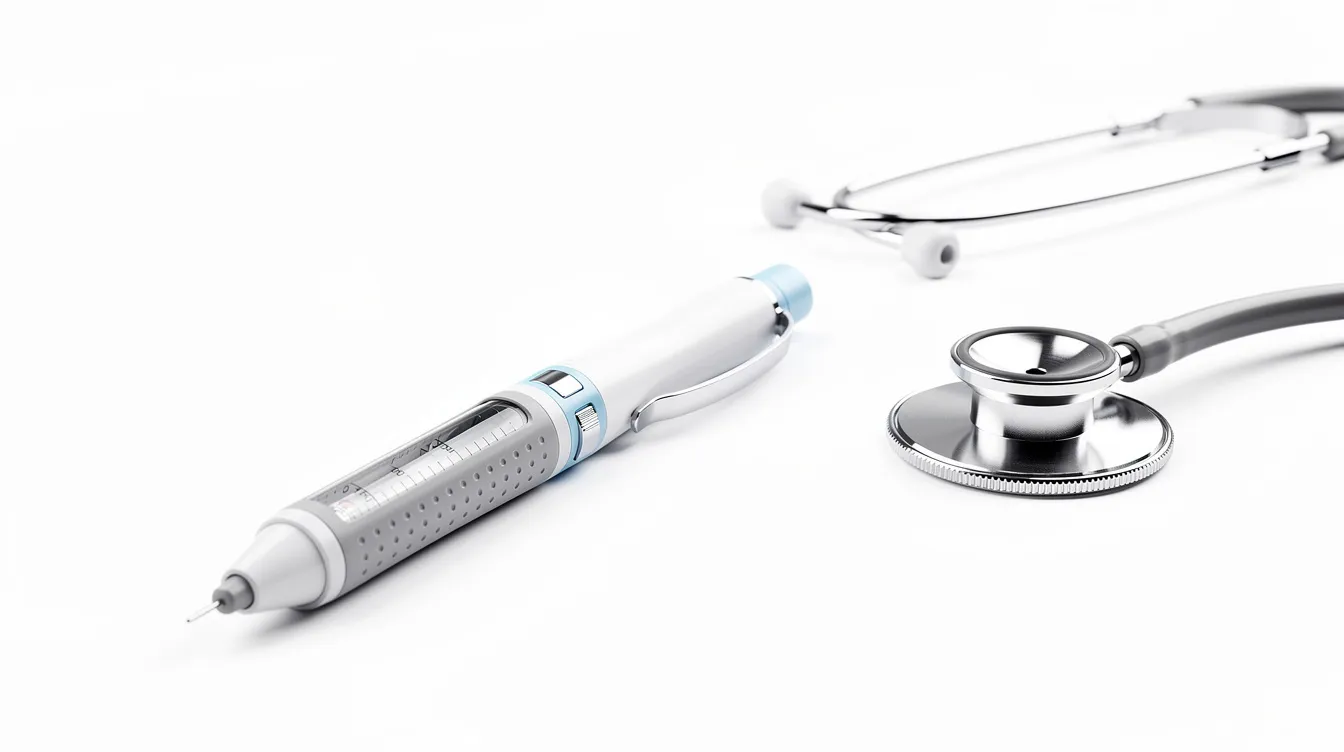
A close-up view of a medical injection pen resting on a clean white surface next to a stethoscope, symbolizing professional weight loss support and the use of weight loss medications in medical weight loss programs. This image highlights the tools involved in a medically supervised weight loss journey aimed at achieving health and wellness goals.

Beyond the Scale: Lifestyle, Hormones, and Overall Health


BWell Clinic focuses on whole-person wellness-not just pounds lost-to help patients feel and function better in daily life. Long-term commitment to lifestyle changes is crucial for the success of weight loss treatments.


  • Nutrition coaching: A nutritious diet is key for a healthier future. Registered dietitians provide sound nutrition advice for weight loss, and dietary guidelines help prevent potential health issues. Balanced diet plans emphasize whole foods, adequate protein, and realistic strategies for dining out.
  • Movement and exercise: Low-impact plans tailored for beginners or people with joint pain, with emphasis on walking, resistance training, and consistency.
  • Hormone balance: Evaluating thyroid, testosterone, estrogen, and other hormone levels can unlock stalled progress. Bioidentical hormone replacement may support energy, mood, and body composition when appropriate. Learn more about how long peptides and supportive therapies take to work.
  • Additional wellness tools: IV vitamin therapy for hydration and micronutrients, allergy immunotherapy to reduce chronic inflammation, and regenerative medicine options support long-term vitality and well being.
  • Real patients often report improvements in sleep, libido, mental clarity, and confidence alongside measurable weight loss.

BWell Clinic Locations, Telehealth, and Program Access


BWell Clinic makes professional weight loss support available both in person and virtually throughout Texas.


  • Core clinic locations: San Antonio–Stone Oak, Austin–Lakeway, Dallas–Keller, and Plano, each offering full-service medical weight loss programs.
  • Telehealth: Telemedicine visits are available for GLP-1 medication management and follow-up consultations for patients anywhere in Texas.
  • In-clinic requirements: Some injections or diagnostics (B12 shots, PlaqueX testing, certain labs) may require an office visit.
  • E-commerce: BWell's online platform offers curated wellness supplements, peptides, and cosmeceuticals that complement your weight loss journey.
  • Ready to start? Use online booking or call the nearest BWell Clinic location to schedule your initial appointment.

What to Expect at Your First Medical Weight Loss Visit


Your first appointment is focused on listening, learning about your history, and setting realistic weight loss goals.


  • Complete digital or in-clinic intake forms covering medical history, medications, prior diets, and current lifestyle patterns.
  • A BWell clinician will measure weight, body mass index, blood pressure, and may perform body composition assessments.
  • Lab orders or in-house blood draws are arranged to evaluate metabolic and cardiovascular health before finalizing the treatment plan.
  • The provider will discuss options-GLP-1 medication, appetite suppressants, injections, nutrition strategies-and answer questions about side effects, safety, and expected results.
  • You'll leave with a clear next step: follow-up schedule, lifestyle goals for the first few weeks, and how to contact the team between visits.

Real Results: How Medically Supervised Weight Loss Helps Patients


Real patients at BWell Clinic have experienced meaningful, sustainable changes in weight and overall health. Consider a combined approach: a patient in their 40s from Austin–Lakeway losing 30 pounds over six to nine months with improved blood pressure and better sleep-outcomes like these are common when the right program meets genuine commitment.


  • Non-scale victories matter: reduced medications for blood pressure or diabetes, improved energy, better participation in family activities, and enhanced self-confidence.
  • Results vary based on starting weight, adherence, and medical conditions, but medically supervised weight loss consistently outperforms unstructured dieting. Research shows that patients who maintain ongoing check-ins achieve and sustain their ideal weight more reliably.
  • BWell Clinic provides ongoing maintenance support so patients can keep the weight off through continued monitoring, lifestyle guidance, and long-term medication strategies when appropriate.
A person is walking on a sunny trail, surrounded by the lush green landscape of the Texas hill country, symbolizing a journey towards better health and weight management. This serene setting highlights the importance of outdoor activities in achieving weight loss goals and overall well-being.

Frequently Asked Questions About Medical Weight Loss TX

  • Who is a good candidate for medical weight loss at BWell Clinic?

    Ideal candidates are adults with a BMI in the overweight or obese range. Semaglutide is indicated for patients with a BMI of 27 or greater with a weight-related condition, or BMI 30+. Patients with conditions like high blood pressure, prediabetes, type 2 diabetes, high cholesterol, sleep apnea, or PCOS may particularly benefit. Certain GLP-1 medications may not be appropriate for people with a personal or family history of medullary thyroid carcinoma or MEN2, so thorough screening at your initial appointment is essential. IBT for Obesity is also covered by Medicare for eligible patients.

  • How fast will I lose weight on a medical weight loss program?

    Patients may lose 2–4 pounds weekly with proper diet and exercise. Patients typically lose 2–4 pounds weekly with semaglutide specifically, and semaglutide can help individuals lose over 15% of body weight over roughly 12–18 months. BWell focuses on safe, sustainable progress that protects muscle mass. Plans are adjusted if weight loss stalls or side effects occur during regular check-ins.

  • Do I have to follow a strict diet or give up my favorite foods?

    BWell Clinic emphasizes flexible, realistic plans that prioritize whole foods, adequate protein, and portion control rather than rigid restrictions. Occasional treats can often be worked into the plan once you understand how to balance calories and macronutrients. Providers help you create strategies for social events, travel, and busy schedules so you can eat well and lose weight while living a normal life.

  • Will I need to stay on weight loss medication forever?

    Some patients use medications for a defined period-such as 6–12 months-to reach their weight loss goals, then transition to lifestyle-only weight management. Others with significant metabolic issues may benefit from longer-term medication. Research shows that stopping GLP-1 therapy can lead to regaining roughly two-thirds of lost weight within one year without maintenance support. BWell clinicians revisit the medication plan regularly, aiming for the lowest effective dose and duration needed to maintain real results.

  • How do I get started with BWell Clinic's medical weight loss programs in Texas?

    Book an in-clinic or virtual consultation through BWell Clinic's website or call the nearest location-San Antonio–Stone Oak, Austin–Lakeway, Dallas–Keller, or Plano. Have a list of current medications, recent lab results if available, and an overview of past diet attempts ready for your first visit. Schedule an appointment today to take the first step toward medically supervised weight loss, improved overall health, and long-term wellness with BWell Clinic.

Share this article

Recent Posts

Family in a bright kitchen, smiling while holding snack packages behind a counter.
June 18, 2026
Learn about the Big 8 allergens and how to manage them for safer meals. Protect yourself and loved ones—read the article for essential insights.

Doctor showing a cosmetic treatment plan to a patient in a clinic exam room
June 10, 2026
Discover how long it takes for Botox to show results and what to expect after your treatment. Read on for essential insights and helpful tips.

Person sleeping in a bed beside a lit alarm clock and warm bedside lamps by a window.
May 22, 2026
Discover the key signs that may indicate you need hormone replacement therapy. Understand your symptoms and take charge of your health. Read more now.

Doctor discussing a chart with a seated patient in a bright clinic
May 21, 2026
Discover the pros and cons of facelift vs. Botox to make an informed choice for your anti-aging journey. Read the article to find your best option!

Close-up portrait of a smiling woman with soft makeup against a light background
May 6, 2026
Discover a realistic timeline for peptide effectiveness. Understand what to expect and when, and make informed decisions. Read the full guide now!
A person in a matching light-brown workout outfit walking across a sunny, grassy field with trees in the background.
April 21, 2026
Discover effective allergy treatments for relief and management. Explore trusted solutions to help you breathe easier and enjoy life again. Read more!
A grey reclining chair with an IV drip stand next to it in a softly lit, minimalist medical or wellness clinic room.
April 16, 2026
Explore the benefits and risks of IV nutrition to make informed health choices. Discover essential insights in our comprehensive article. Read more now!
Silhouette of a runner on a beach at sunrise, with calm waves and a bright horizon
January 6, 2026
See how a wellness clinic uses lifestyle data to create precise, preventive health plans tailored to your goals and habits. Start your care today.
Fast Energy Boosts That Fit Nap Schedules Banner
December 17, 2025
Recharge fast with IV therapy at our wellness clinic—safe, quick energy boosts designed for parents with packed schedules.
Signs You Need a Doctor-Supervised Weight Loss Program banner
December 10, 2025
See when it’s time to seek help from a primary care clinic for safe, lasting weight loss guided by real medical expertise. Read and share it with others!
Show More