NAD Supplements: How They Support Cellular Energy, Repair, and Healthy Aging in Texas Adults

If you've been hearing more about NAD supplements in longevity and wellness circles, there's a good reason. This vital coenzyme sits at the center of how your cells produce energy, repair damage, and manage the aging process. For health-conscious Texans looking to stay ahead of age-related decline, understanding what NAD supplements actually do - and what they don't - can make the difference between smart investment and wasted money.
Key Takeaways
- NAD supplements support cellular energy, repair, and healthy aging by providing precursors that the body converts into NAD+, a coenzyme found in every living cell. BWell Clinic in Texas offers medically guided NAD programs (oral and IV) alongside high-quality NAD precursors through its e-commerce platform.
- NAD (nicotinamide adenine dinucleotide) is essential for energy production and cellular repair, and NAD levels decline by an estimated 10%–80% with age and chronic stress, contributing to fatigue, metabolic slowdown, and slower recovery.
- Evidence suggests NAD precursors like nicotinamide riboside (NR) - including products that feature patented nicotinamide riboside - nicotinamide mononucleotide (NMN), and nicotinic acid can raise NAD levels and may support cellular health, but long-term human data are still limited and evidence for anti-aging benefits remains inconclusive.
- Medical supervision matters: BWell Clinic physicians personalize NAD supplementation and IV therapy based on labs, medications, and longevity goals, especially for adults aged 35–65.
- Texas residents in Lakeway, San Antonio (Stone Oak), and Keller can book a consultation to discuss safe NAD supplementation, IV NAD therapy, and broader longevity strategies with BWell's clinical team.
What Are NAD and NAD Supplements?
NAD, or nicotinamide adenine dinucleotide, is a coenzyme present in every human cell. It plays a key role in energy metabolism and cellular health, acting as a molecular shuttle that moves electrons to power the reactions keeping you alive.
- NAD exists mainly in two forms: NAD+ (oxidized) and NADH (reduced). Together, they drive the chemical reactions that convert nutrients into adenosine triphosphate (ATP) - your body's primary energy currency - and activate enzymes responsible for cellular repair.
- Most NAD supplements do not contain large amounts of NAD+ itself because the molecule is large, unstable, and degrades in the gut before reaching your cells. Instead, they provide NAD precursors - forms of vitamin B3 - that your body converts into NAD+. Common precursors include niacin, nicotinamide, nicotinamide riboside, and nicotinamide mononucleotide.
- NAD+ supplements are marketed for promoting cellular health and longevity, but the actual results depend heavily on the precursor type, dose, quality, and your individual biology.
- BWell Clinic uses pharmaceutical-grade NAD precursors and offers medically supervised NAD+ IV therapy as part of its comprehensive preventive medicine programs. This approach ensures that supplementation is tailored, monitored, and integrated with other wellness strategies rather than left to guesswork.
- Nicotinamide riboside is considered more effective than NAD+ itself when taken orally, precisely because your gut can absorb it and your cells can convert it through established biosynthesis pathways.
Why NAD Matters for Cellular Energy and Metabolism
NAD+ underpins cellular energy by fueling mitochondrial function and ATP production across your most energy-hungry tissues: muscle, brain, and heart cells. Without adequate NAD+, the metabolic machinery that keeps you moving, thinking, and recovering simply cannot operate at full capacity. NAD+ supplementation may enhance mitochondrial function, which is one reason it has attracted so much attention in longevity medicine.
- NAD+ accepts electrons during cellular respiration - specifically during glycolysis and the TCA cycle - and feeds them into the electron transport chain. This is the core mechanism behind energy production in cells, and NAD+ is essential for that process.
- NAD+ is involved in converting food into fuel. When you eat carbohydrates or fats, NAD-dependent enzymes break those macronutrients into usable energy. This matters for metabolic health, weight management, and how effectively your body handles insulin and glucose.
- NAD+ supplements may improve energy production in cells, which is why people often report improvements in daytime stamina and reduced afternoon fatigue after sustained supplementation. However, these effects are more noticeable in individuals whose NAD levels are already depleted.
- Energy metabolism is not just an abstract concept - it drives exercise capacity, mental focus, and how quickly you bounce back after a demanding day. For busy Texas professionals, maintaining efficient cellular metabolism can mean the difference between dragging through your afternoon and finishing strong.
- BWell's cardiovascular diagnostics and weight-loss programs frequently assess metabolic markers like fasting glucose, insulin sensitivity, and lipid panels. These markers are influenced indirectly by NAD-dependent pathways, making NAD status a relevant piece of the metabolic puzzle.
- Energy homeostasis - the balance between energy intake and expenditure - depends in part on NAD+ availability. When levels drop, your body's ability to efficiently manage energy metabolism declines along with them.
NAD and Cellular Repair: DNA, Mitochondria, and Inflammation
Beyond energy, NAD+ powers the cellular repair systems that respond to daily wear-and-tear, oxidative stress, and environmental toxins. Every time you exercise intensely, sit in Texas sun, or deal with poor sleep, your cells accumulate damage that must be repaired for you to stay healthy. NAD+ plays a role in DNA repair and metabolism, serving as the fuel for these protective mechanisms.
- NAD+ activates enzymes called PARPs (poly(ADP-ribose) polymerases) that detect and repair DNA breaks. It also fuels sirtuins - enzymes that regulate gene expression, stress resistance, and mitochondrial quality control. Together, these pathways maintain genomic stability and keep cells functioning properly.
- NAD+ availability influences inflammation and cellular aging processes. When NAD+ drops, inflammatory markers like IL-6 and TNF-α tend to rise, contributing to chronic low-grade inflammation - sometimes called "inflammaging" - that accelerates tissue damage over time.
- Better NAD+ status may support more efficient repair of skin, muscle, and vascular tissue. Some early research in animal models shows that NR and NMN supplementation improves mitochondrial function and reduces oxidative stress, though human data are still catching up.
- Cellular repair capacity is a core focus of BWell Clinic's longevity diagnostics and hormone balance programs. When repair systems work efficiently, you recover faster from workouts, heal more quickly from minor injuries, and maintain better skin integrity as you age.
- Understanding the role of NAD in dna repair helps explain why researchers view it as a potential therapeutic target for age-related decline - and why BWell clinicians consider NAD status when designing regenerative medicine and aesthetic treatment plans.
Natural NAD Decline With Age and Its Impact on Healthy Aging
NAD+ levels drop significantly from early adulthood into midlife and beyond. Research indicates that NAD+ levels may decline by 10%–80% with age, depending on the tissue and measurement method. This progressive loss contributes to fatigue, slower recovery, metabolic dysfunction, and visible aging.
- NAD levels decline starting as early as the 30s and 40s, with further drops through midlife and beyond. This timeline aligns precisely with the age range - roughly 35 to 65 - that BWell Clinic serves most frequently.
- The aging process connects NAD+ decline to several recognized "hallmarks of aging," including mitochondrial dysfunction, cellular senescence, impaired proteostasis, and genomic instability. Supporting healthy aging means addressing these root causes, not just symptoms.
- Practical symptoms that BWell patients commonly report - reduced exercise tolerance, brain fog, slower skin healing, and metabolic slowdown - track closely with age-related NAD+ depletion. These are not just signs of "getting older." They're signals that cellular stress is outpacing your body's repair capacity.
- Supplementation with NAD+ precursors may support healthy aging by partially restoring the NAD+ pool that time and lifestyle factors have depleted. However, evidence for NAD+ supplementation's anti-aging benefits remains inconclusive, and no supplement can fully reverse the clock.
- BWell Clinic incorporates NAD status - inferred from clinical context, metabolic labs, and symptom patterns - when designing hormone optimization, heart-health strategies, and IV therapy plans for Texas patients.

Types of NAD Precursors Used in Dietary Supplementation
Most NAD supplements rely on well-studied precursors that the body enzymatically converts to NAD+. Understanding the differences matters because each precursor comes with its own tolerability profile, cost, and level of research support. NAD+ precursors include nicotinamide, nicotinamide riboside, and NMN.
- Niacin (nicotinic acid): The traditional vitamin B3 form. Highly effective at raising NAD+ and historically used for cardiovascular lipid management. However, supplementation with niacin may cause flushing and liver toxicity at high doses (typically above 1–2 grams daily), and it can worsen glucose tolerance. Medical supervision is essential.
- Nicotinamide (niacinamide): A non-flushing form of B3, generally safer for everyday use. High doses of nicotinamide can cause flushing and may affect the liver. Additionally, very high doses may paradoxically suppress sirtuin activity, potentially undermining some of the benefits of NAD boosting.
- Nicotinamide riboside (NR): One of the most researched modern precursors. Nicotinamide riboside can increase NAD+ levels by 60% in humans, based on published clinical data. NR does not cause the flushing typical of niacin. Patented nicotinamide riboside - sold under brands like Tru Niagen (featuring Niagen®) - has GRAS status from the FDA and is backed by over 45 human studies. Features patented nicotinamide riboside in higher-end formulas typically means stricter quality control and known purity specifications.
- Nicotinamide mononucleotide (NMN): Another common NAD+ precursor that sits one enzymatic step closer to NAD+ than NR. Nicotinamide mononucleotide NMN has shown safety in human trials at doses from 250 mg to 1,250 mg daily. The regulatory status of NMN can vary - in some jurisdictions it faces scrutiny as a potential "new drug" - which affects quality control and availability.
- NAD+ supplements often contain precursors like nicotinamide riboside because oral NAD+ itself is poorly absorbed. Some NAD supplements may cause flushing, especially those with niacin, so precursor choice matters for tolerability.
- BWell physicians help patients choose the right precursor and dose rather than self-experimenting with internet trends. The various forms of B3 have real tradeoffs, and a healthcare provider can navigate them based on your labs, goals, and medication list.
How NAD Supplements Work at the Cellular Level
NAD supplements increase availability of building blocks your cells use to synthesize NAD+, thereby helping to support cellular health and maintain the enzymatic reactions that keep tissues functioning. The process is elegant but also complex, which is why a one-size-fits-all approach rarely works.
- Oral NAD precursors are absorbed in the gut, taken up by cells, and fed into NAD+ biosynthesis pathways. The salvage pathway recycles nicotinamide via NAMPT to NMN, then NMNAT converts NMN to NAD+. NR enters through NRK enzymes. Niacin uses the Preiss-Handler pathway. Your body converts these precursors through whichever route is most available.
- NAD+ is involved in many biological pathways, complicating supplementation effects. Improved NAD+ status can support both energy production and cellular repair pathways simultaneously, which underpins many of the potential benefits of NAD claims. But the same complexity means results vary between individuals.
- Cellular metabolism depends on a balancing act: NAD+ is constantly being produced and consumed. Processes like DNA repair, PARP activation, sirtuin activity, oxidative stress, and even circadian rhythms all consume NAD+. This means lifestyle factors - diet, exercise, sleep, and cellular stress from alcohol or toxins - modulate NAD demand and depletion.
- Supplements are only one lever. BWell also focuses on lifestyle, nutrition, sleep, and hormone balance, which influence NAD turnover and consumption. Dietary supplementation alone only partially addresses the balance; integrating it with metabolic regulation strategies yields better results.
Evidence-Based Benefits of NAD Supplements
Human trials from roughly 2016 through 2025 consistently show that NR and NMN supplementation raises blood NAD+ levels, with modest but promising functional outcomes in specific populations. Human studies on NAD+ supplements show mixed results in health benefits, so it's important to set realistic expectations.
- Metabolic health: Some randomized controlled trial data show improved insulin sensitivity, reduced fasting glucose, and favorable lipid changes in adults with metabolic risk factors like prediabetes or overweight. A study of 250 mg/day NMN for 12 weeks in 30 healthy subjects led to significant NAD+ increases with no lab abnormalities.
- Vascular function: Early research on endothelial function and arterial stiffness is mixed. Animal models show strong benefits; human studies are fewer and often underpowered to detect clinically meaningful changes.
- Neurological resilience and improved cognition: Preliminary data suggest NR may support brain NAD+ levels and cognitive function, which is relevant for professionals seeking sustained mental clarity. However, large human trials with cognitive endpoints are still needed.
- Muscle recovery and exercise: Some studies of NMN showed improvements in skeletal muscle insulin signaling and submaximal exercise performance. Benefits appear more consistent in older or metabolically compromised adults than in very healthy young subjects - aligning well with BWell's midlife longevity audience.
- Safety signal: A meta-analysis of 10 randomized controlled trials with 383 participants found no significant difference in serious adverse effects between NMN and placebo, and a double blind trial of 1,250 mg/day β-NMN for 4 weeks in 31 adults aged 20–65 reported no severe adverse events. NAD+ supplements are generally considered safe for most people based on current data.
- BWell uses current knowledge from peer-reviewed research when recommending NAD-related products. The clinic does not present NAD supplements as miracle cures but positions them as part of a broader, evidence-informed longevity strategy.
NAD Supplements and Healthy Aging: Skin, Brain, and Muscles
NAD+ connects to the aspects of aging you can actually see and feel: skin quality, cognitive clarity, and muscle performance. The whole body benefits of adequate NAD+ extend across tissues because every cell depends on this coenzyme for its core functions.
- Skin: NAD-dependent DNA repair and mitochondrial support can influence skin aging, collagen maintenance, and recovery from UV or environmental damage. Preclinical data suggest that restoring NAD+ reduces oxidative damage to skin cells. BWell's medical aesthetics and cosmeceuticals can complement NAD supplementation for patients targeting skin vitality.
- Brain: Higher NAD+ may support brain energy metabolism and neuroprotection. Cognitive function - focus, processing speed, memory - depends on robust mitochondrial function in neurons. While clinical data are still emerging, the mechanism is sound: better-fueled brain cells perform better. Research into NAD's role in Alzheimer's disease and other neurodegenerative conditions (et al.) represents one of the most active future directions in the field.
- Muscles: Animal and early human data connect NAD restoration with improved endurance, strength retention, and faster post-exercise recovery. NAD+ supports muscle recovery by enabling efficient repair of exercise-induced cellular damage and maintaining mitochondrial quality in muscle fibers.
- BWell may pair NAD supplementation with strength programs, hormone optimization, and IV nutrients to target these anti aging goals in a coordinated way rather than relying on any single intervention.
Who Might Consider NAD Supplements? (And Who Should Be Cautious?)
NAD supplementation is not mandatory for everyone, but it may offer meaningful support for select adults with specific goals and risk profiles. The key is matching the right person with the right approach under proper supervision.
Typical BWell candidates include:
- Adults 35–65 experiencing persistent fatigue, metabolic slowdown, or increased training demands
- Individuals navigating perimenopausal or andropausal changes affecting energy and body composition
- Texans planning long-term healthy aging strategies alongside hormone, heart-health, or weight-management programs
Groups needing extra caution:
- Those with active cancer or strong family history of cancer - there is a theoretical concern that increased NAD+ may support cancer cell growth, since NAD+ fuels cellular replication broadly
- Some individuals should avoid NAD+ supplements due to cancer concerns until more long-term data are available
- Patients with significant liver disease, uncontrolled autoimmune conditions, or complex medication regimens
- Pregnant or lactating women (most clinical trials exclude these populations)
BWell requires a medical consultation and review of history before prescribing NAD IV or high-dose precursors. A healthcare professional evaluates your full clinical picture - not just your interest in longevity - before recommending any NAD program.
How to Choose a High-Quality NAD Supplement
Quality varies dramatically across NAD products sold online, and supplement quality varies widely among different brands. Regulatory status of NAD+ precursors can vary, affecting quality control. This makes professional guidance valuable - especially when you're investing in something intended to support your long-term well being.
Criteria for selection:
- Clear labeling of the specific NAD precursor (NR, NMN, niacin) and its exact dosage per serving
- Third party testing by independent labs to verify potency and screen for contaminants - look for NAD+ supplements with third-party testing for safety
- GMP (Good Manufacturing Practice) certification confirming consistent manufacturing standards
- Absence of unnecessary fillers, artificial colors, or proprietary blends that obscure what you're actually taking
- Evidence-based doses consistent with what's been used in published human research
- Some premium products use patented nicotinamide riboside with robust clinical data, including Tru Niagen featuring Niagen®. BWell may feature these key ingredients in its e-commerce store for Texas customers seeking verified quality.
- Be skeptical of exaggerated anti aging promises - claims of "reversing 20 years of aging" are not supported by current evidence. Instead, look for brands whose specific formulations have been used in human research.
- BWell's curated supplement line helps patients avoid low-grade or contaminated formulations commonly found in unregulated online marketplaces.
Safe Dosing, Timing, and How to Take NAD Supplements
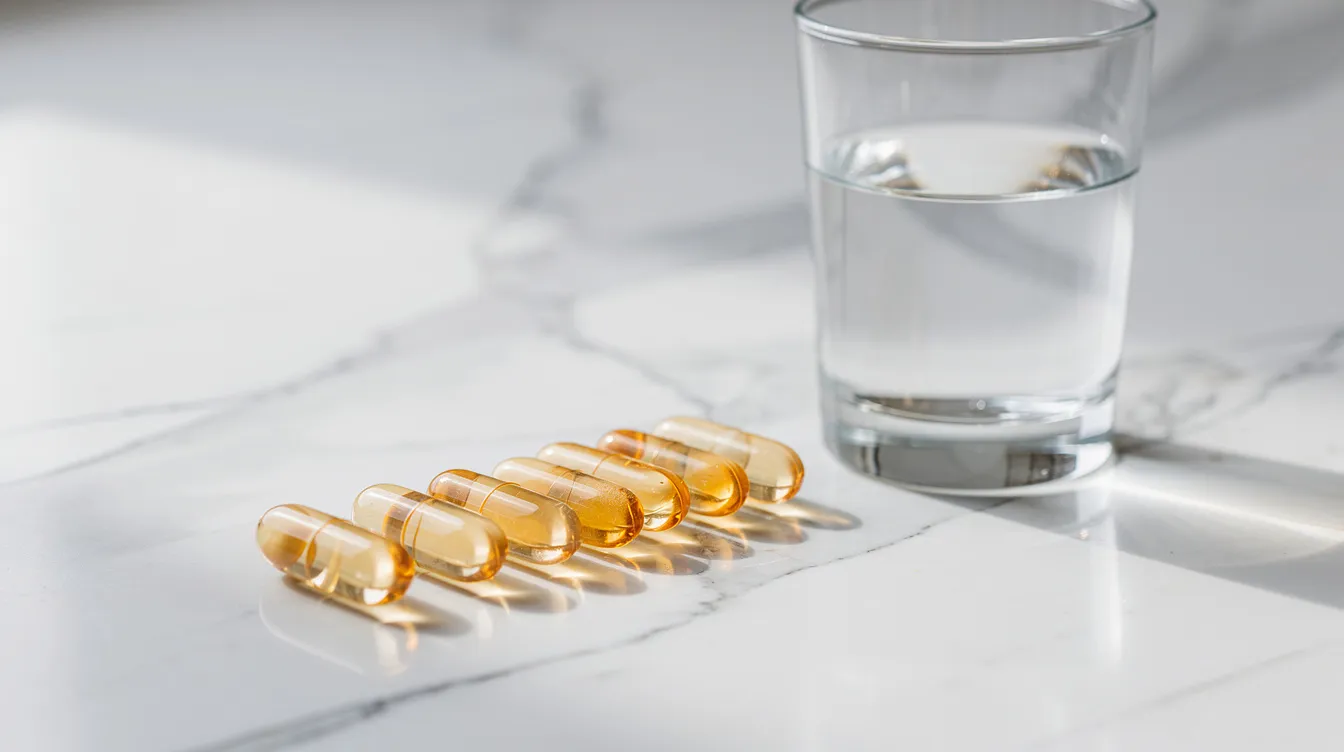
Dosing is individualized, but clinical research provides useful guardrails. Your healthcare provider can fine-tune recommendations based on your labs, age, and goals. Recommended doses for NAD+ precursors range from 250 to 500 mg daily in most clinical studies, which serves as a reasonable starting point for many adults.
- Common research doses: NR has been studied at 100–2,000 mg/day; NMN at 250–1,250 mg/day. Most studies showing beneficial effects use 250–500 mg daily for 4–12 weeks.
- No official RDA exists for NAD precursors beyond standard vitamin B3 requirements (about 14–16 mg niacin equivalents daily for adults). The European Food Safety Authority has evaluated β-NMN and concluded that up to 300 mg/day is safe for adults excluding pregnant or lactating women.
- Timing: NAD supplements can typically be taken morning or evening, with or without food. They are not stimulants like caffeine. Consistency in your daily routine matters more than exact clock time.
- Integration with other therapies: BWell may adjust timing and dosing for patients also receiving IV NAD, hormone therapy, or weight-loss medications to avoid overlapping potential side effects. High dose protocols require closer monitoring.
- Do not exceed product instructions or study-tested doses without medical supervision. More is not always better with NAD precursors.
Side Effects, Risks, and Current Safety Data
Most clinical trials report that NR and NMN are well tolerated over weeks to months, with adverse event rates comparable to placebo. However, long-term safety data on NAD+ supplements is still lacking, and no trial has followed participants for years.
- Common mild side effects: Possible side effects of NAD+ supplements include mild digestive issues and headaches. Some people experience transient nausea or fatigue when starting supplementation, which typically resolves within days.
- Niacin-specific risks: Niacin can cause flushing and liver toxicity at high doses. Supplementation with niacin may cause flushing and liver toxicity, and it should not be used at pharmacological doses without physician guidance - especially in patients with liver issues or heavy alcohol use. Review the NIH Office of Dietary Supplements niacin fact sheet for detailed guidance.
- Medication interactions: NAD+ supplements may interact with medications or health conditions, particularly those affecting liver metabolism, blood sugar regulation, or blood pressure. Always disclose your full medication and supplement list to your healthcare provider.
- Theoretical cancer concern: Because NAD+ fuels cellular replication broadly - including potentially in rapidly dividing or malignant cells - there is a theoretical concern that increased NAD+ may support cancer cell growth. This underscores the need for individualized risk-benefit discussions, especially for patients with cancer history.
- BWell's protocol includes reviewing labs, medications, and medical history prior to initiating NAD programs, and monitoring periodically for changes in liver enzymes, metabolic markers, and overall tolerance.
NAD IV Therapy vs. Oral Supplements at BWell Clinic
BWell Clinic offers both oral NAD precursors and intravenous NAD+ therapy, each serving different roles within a comprehensive wellness plan. Understanding the practical differences helps you make an informed choice with your clinician.
- IV NAD+ therapy delivers NAD directly into the bloodstream, bypassing gut absorption for higher immediate bioavailability. Clinics often use IV NAD in structured programs for acute energy support, recovery protocols, or intensive longevity interventions. However, human randomized trials with clinical endpoints for IV NAD remain essentially absent, so the evidence base is thinner than for oral precursors.
- Oral supplements are better suited for long-term maintenance of NAD status. They're more convenient, more cost-effective, and supported by a broader range of clinical data. For many Texas patients, oral precursors form the foundation of sustained NAD support.
- Combined approach: BWell physicians may recommend a short IV NAD series followed by oral maintenance. This can be integrated with IV vitamin therapy, PlaqueX cardiovascular support, or hormone optimization for a coordinated longevity strategy.
- Practical considerations: IV sessions require medical supervision, carry standard infusion risks (infection, fluid management), and take 60–180 minutes per session. Oral supplements fit easily into a daily routine with minimal disruption.
Integrating NAD With Lifestyle, Hormones, and Weight-Loss Programs
NAD is one pillar in a broader preventive health strategy, not a stand-alone fix. The beneficial effects of NAD precursors are amplified when combined with lifestyle modifications that reduce NAD consumption and support natural recycling.
- Regular exercise, time-restricted eating, adequate protein intake, and quality sleep can naturally support NAD+ recycling and reduce excessive NAD consumption. These lifestyle factors influence how quickly your body burns through its NAD+ reserves.
- BWell's medically supervised weight-loss programs - including GLP-1 medications when appropriate - may pair NAD support with personalized diet plans, activity protocols, and metabolic labs to combat fatigue and enhance outcomes.
- Hormone balance through bioidentical hormone replacement for men and women connects directly to NAD-relevant benefits: better body composition, improved energy, and enhanced mitochondrial function. When hormones and NAD are both optimized, the compounding effect on vitality can be significant.
- Think of NAD supplements as part of a multi-modal longevity plan designed with BWell clinicians - not a quick anti aging hack purchased in isolation. Metabolic regulation, cellular repair, and energy homeostasis all improve when multiple systems are addressed simultaneously.
Current Knowledge Gaps and Future Directions in NAD Research
NAD science is rapidly evolving, with dozens of human studies published since 2016 but still lacking the large, long-duration trials needed for definitive conclusions. Research shows promise, but honesty about what we don't yet know is just as important as enthusiasm about what we do.
- Current knowledge: NR and NMN reliably raise blood NAD+ levels and appear safe over weeks to months in the broad range of doses tested. Cell metab studies and clinical trials confirm biomarker changes, but translating those into measurable therapeutic targets for disease prevention remains an open question.
- Future directions include answering critical questions: What is the optimal dose for different goals? How long should supplementation continue? Do blood NAD+ increases actually reflect tissue-level changes in brain, muscle, or heart cells? What combinations with exercise or dietary strategies yield the best results?
- Ongoing trials are exploring NAD boosting for metabolic syndrome, neurodegenerative diseases including Alzheimer's disease, and vascular aging. These results may shape future BWell protocols and expand the evidence base for clinical use.
- BWell continuously reviews emerging literature to update its NAD supplementation and IV therapy recommendations in a cautious, evidence-aligned manner - because good health decisions are built on evolving science, not static marketing claims.
How BWell Clinic Personalizes NAD-Focused Longevity Care in Texas
BWell's philosophy centers on evidence-based preventive medicine with personalized plans for Texans who want long-term vitality and healthy aging. NAD support is never offered in isolation - it's woven into a comprehensive clinical assessment.
- An initial visit may include advanced physicals, cardiovascular diagnostics (e.g., PlaqueX programs), hormone panels, body composition analysis, and a detailed discussion of your goals - whether that's sustained energy, sexual health, weight management, or aesthetic vitality.
- NAD supplementation or IV therapy is considered alongside allergy immunotherapy, peptide therapies, regenerative medicine, and men's or women's health programs when clinically appropriate. The goal is synergy, not adding supplements for the sake of adding them.
- Both in-clinic and virtual consultations are available for residents across Texas, with NAD supplements available for shipping via BWell's e-commerce platform.
- If you're curious whether NAD support fits your overall plan, scheduling a longevity consult is the best first step.
Our Texas Locations and How to Get Started With NAD Support
BWell serves patients throughout Central and North Texas with convenient clinic locations plus telehealth for many services. Whether you prefer an in-person evaluation or a virtual consultation, getting started is straightforward.
Lakeway, TX 1008 Ranch Road 620 S, STE 101, Lakeway, TX 78734 (512) 714-9602 | lakeway@bwellclinic.com
Stone Oak, San Antonio, TX 225 E Sonterra Blvd, STE 108, San Antonio, TX 78258 (210) 761-5062 | stoneoak@bwellclinic.com
Keller, TX 8739 Davis Boulevard, STE 100, Keller, Texas 76248 (817) 476-1226 | keller@bwellclinic.com
To book: call the nearest clinic, email, or use the BWell Clinic website to schedule consultations for NAD supplementation, IV therapy, or comprehensive longevity evaluations. Every visit includes a thorough review of your medications, conditions, and goals before any NAD product is recommended.

Frequently Asked Questions About NAD Supplements
The following FAQ addresses common questions BWell physicians hear from Texas patients about NAD supplementation and IV therapy. These answers are educational and do not replace individualized medical advice - schedule a visit for personalized guidance.
Are NAD supplements the same as anti aging pills?
No. While NAD is closely linked to healthy aging and longevity pathways, supplements are not magic anti aging pills and cannot stop aging. They may help support cellular health and resilience by restoring depleted NAD+ levels, but they work best as one component of a broader strategy. BWell positions NAD as one tool among many - alongside hormone balance, heart-health strategies, weight management, IV therapy, and aesthetics - in a coordinated longevity plan.
How long does it take to feel a difference from NAD supplements?
Blood NAD+ levels can rise within 1–2 weeks in many studies, but subjective benefits like improved energy, faster recovery, and mental clarity may take 4–8 weeks and vary by person. BWell typically reassesses symptoms and relevant labs after several weeks to months, adjusting dose or combining with other therapies as needed. Patience and consistency matter more than expecting overnight transformation.
Can I take NAD supplements with other medications?
NAD precursors are generally well tolerated, but NAD+ supplements may interact with medications affecting liver metabolism, blood sugar, or blood pressure. BWell clinicians review your full medication and supplement list before adding NAD - this is especially important for patients on statins, diabetes medications, anticoagulants, or chemotherapy. Never start high dose NAD precursors without discussing them with a healthcare professional first.
Is NAD IV therapy painful or time-consuming?
NAD IV sessions at BWell are performed in comfortable infusion rooms. Patients may feel mild warmth or chest pressure during faster infusions, which can be adjusted by slowing the drip rate. Typical sessions run 60–180 minutes depending on dose and protocol. Many patients work on laptops, read, or stream media during the infusion - it's designed to fit into a busy schedule, not disrupt it.
Do I need lab testing before starting NAD at BWell Clinic?
While there is no standard clinical blood test for tissue NAD levels, BWell usually orders baseline labs - metabolic panel, liver function, lipids, glucose/insulin, and sometimes inflammatory markers and hormones - before starting higher-dose or IV NAD programs. Lower-dose over-the-counter NAD precursors from BWell's store may be started with a shorter review for generally healthy adults, but a full consult is still recommended for the best results.
Ready to Support Your Cellular Energy and Healthy Aging? Partner With BWell Clinic
Your cells are working around the clock - managing energy, repairing damage, and fighting the toll that time, stress, and Texas heat take on your body. Giving them the right support through personalized NAD supplementation can be a meaningful step toward sustained vitality and resilience.
BWell Clinic offers expert-curated NAD supplements, medically supervised IV NAD therapy, and seamless integration with hormone balance, weight-loss, heart-health, and regenerative programs. Every recommendation is grounded in current science, tailored to your labs and goals, and monitored by physicians who specialize in preventive longevity care.
Take the next step: book a consultation at BWell's Lakeway, Stone Oak (San Antonio), or Keller location - or connect via telehealth for eligible services. Call the clinic nearest you, email the team, or visit the BWell Clinic website to schedule your visit and design a cellular health plan built around your goals.
Recent Posts