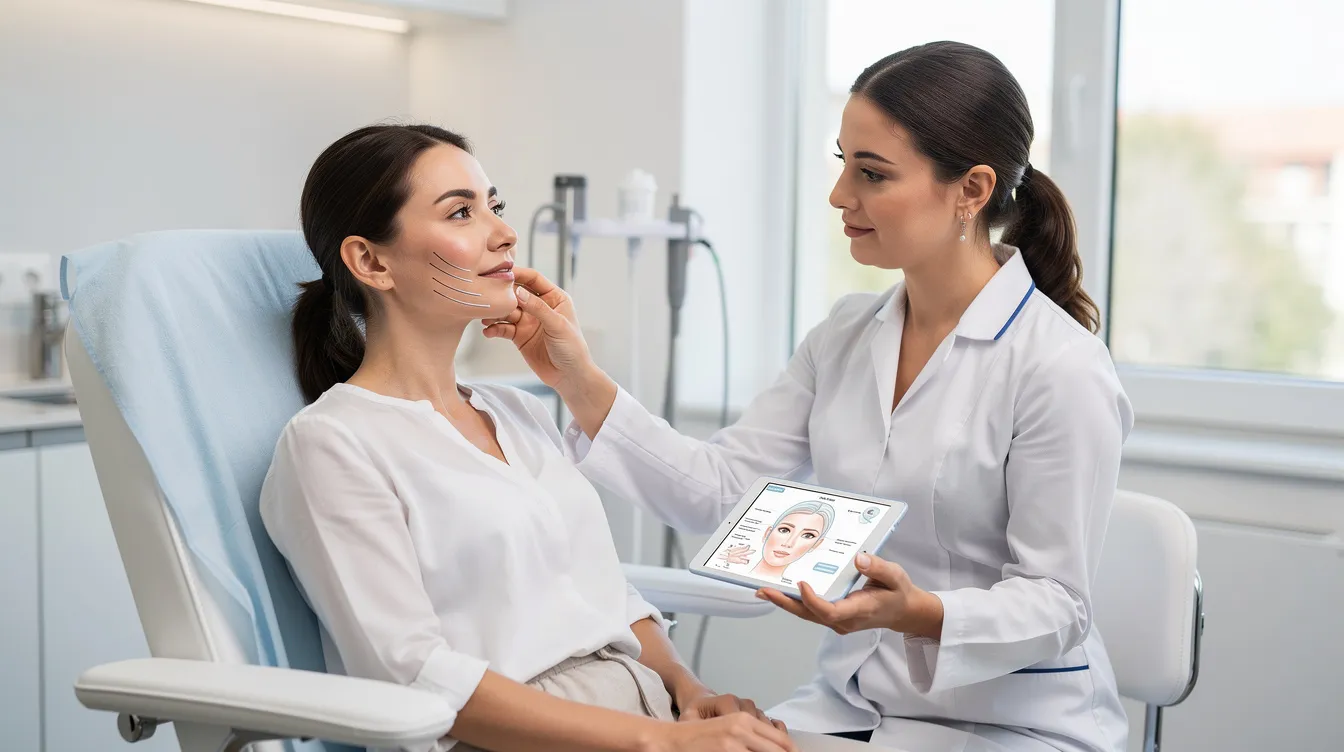
How Long Does It Take for Peptides to Work? Timelines, Results & What to Expect

Peptide therapy is gaining popularity for its potential to support healing, weight loss, muscle growth, and overall wellness. But how long does it actually take to see results? This guide explains the typical timelines for different peptide goals, what influences how fast peptides work, and what you can expect at each stage. Whether you're new to peptides or looking to optimize your protocol, understanding these timelines can help you set realistic expectations and achieve better outcomes.
Key Takeaways
- Most peptides deliver noticeable results within 4–12 weeks, though some act within days while full benefits often require 3–6 months of continued treatment
- Onset varies by peptide type, dosage, individual metabolism, and consistency of administration
- Many patients notice early changes like improved sleep quality, better energy levels, or reduced joint discomfort in the first 2–4 weeks
- Medical supervision, baseline labs, and lifestyle coaching significantly influence how quickly peptides work
- BWell Clinic offers personalized peptide consultations in-clinic across Texas or via telehealth for eligible residents
What Are Peptides and How Does Peptide Therapy Work?
Peptides are short chains of amino acids—typically 2 to 50 residues—that function as biological messengers throughout your body. Unlike traditional medications that often override natural processes, peptide therapy uses targeted, prescription-grade compounds to stimulate specific processes within your existing physiology. These naturally occurring peptides regulate everything from growth hormone release to tissue repair, collagen production, and immune function.
At BWell Clinic, peptide treatments are delivered through various administration methods including subcutaneous injections, oral capsules, nasal sprays, and topical creams. Injectable peptides typically reach the bloodstream faster than oral forms due to superior bioavailability, while oral administration is often slower due to degradation by stomach acid and digestive enzymes.
Because peptides work with the body’s natural processes, results are gradual and cumulative. BWell Clinic integrates advanced peptide therapy with comprehensive lab testing, cardiovascular diagnostics, and hormone assessment to maximize outcomes.
How Long Does It Take for Peptides to Work? (By Goal & Peptide Type)
The speed at which peptides work depends on factors like type of peptide, dosage, individual metabolism, and consistency of administration. Most people experience internal shifts within 1–4 weeks, while visible changes typically require 6–12 weeks of consistent use.
Different peptides serve different functions—some are fast-acting while others work gradually. Here’s what to expect based on your health goals:
Healing, Joint Support & Injury Recovery
BPC-157 and TB-500 accelerate tissue repair by influencing blood flow, reducing inflammation, and promoting growth factors. Peptides act as biological messengers that signal cells to initiate natural processes like tissue repair, which takes time.
Typical timelines:
- Reduced soreness and improved mobility: 7–21 days
- Tendon and ligament strengthening: 6–12 weeks
- Chronic conditions like osteoarthritis: 3–6 months
BWell Clinic often pairs healing peptides with health optimization programs, IV therapy, anti-inflammatory nutrition guidance, and physical therapy recommendations for optimal results.
Weight Loss, Metabolism & Appetite
GLP-1 receptor agonists like semaglutide and tirzepatide work by regulating appetite, slowing gastric emptying, as well as enhancing insulin sensitivity. Peptides that support metabolism and fat burning typically begin showing results within 4–6 weeks, while visible fat reduction may take 2–3 months.
Weight loss peptides promote fat breakdown through multiple pathways. Clinical data shows tirzepatide achieving 15–20% weight loss over extended protocols, compared to 12–15% for semaglutide.
Expected progression:
- Appetite changes: 1–2 weeks
- Early weight loss: 3–6 weeks
- Sustained fat loss and improved body composition: 3–6 months
BWell Clinic’s effective medical weight loss programs combine peptides with nutrition coaching and metabolic optimization. Many peptides work better when taken on an empty stomach to avoid interference from insulin.
Muscle Gain, Strength & Recovery
CJC-1295 combined with Ipamorelin elevates pulsatile growth hormone and IGF-1 levels by 2–10 fold, promoting muscle growth, lean muscle development, and enhanced muscle recovery. Some peptides work best when timed with natural rhythms, such as taking growth hormone-stimulating peptides at bedtime.
Timeline expectations:
- Better sleep and recovery: 2–4 weeks
- Strength and endurance gains: 4–8 weeks
- Visible muscle mass and body composition changes: 3–6 months
These protocols work best paired with resistance training and adequate protein intake. BWell Clinic recommends periodic body composition assessments every 8–12 weeks.
Sleep, Mood, Cognitive Function & Energy
Neuroactive peptides like DSIP, Selank, and Semax influence GABA, serotonin, and BDNF pathways. Because they affect neurotransmitters and sleep architecture, they can deliver noticeable results faster than structural peptides.
Many individuals report experiencing noticeable benefits within a relatively short time frame:
- Improved sleep onset: 3–10 days
- Mental clarity and energy levels: 2–6 weeks
- Restful sleep and mood stability: 4–6 weeks
Poor sleep, chronic stress, or hormone imbalance can delay response—BWell Clinic screens for these factors during initial evaluation.
Skin, Hair & Anti-Aging
GHK-Cu and other cosmetic peptides stimulate collagen production, improve skin elasticity, and support cellular repair. These anti aging peptides work gradually because tissue remodeling requires time.
Results timeline:
- Improved skin texture and hydration: 4–8 weeks
- Firmer skin and wrinkle softening: 3–6 months
- Hair growth and density improvements: 3–6+ months
BWell Clinic often pairs peptide regimens with medical aesthetics like Botox and Dysport treatments and microneedling for accelerated skin rejuvenation and youthful looking skin.

Factors That Influence How Fast Peptides Work
Peptide therapy results are not one-size-fits-all. The individual’s unique physiology, including age and hormonal balance, influences how quickly they respond to peptide treatment.
Age, Baseline Health & Hormone Balance
Younger individuals or those in relatively good health may respond more quickly to peptide therapy, while older adults or those with chronic conditions might require more time for their bodies to react and repair. Unbalanced hormones can interact with peptide pathways—BWell Clinic’s hormone balance services address these issues.
Consistency, Dosage & Protocol Design
The consistency of peptide administration is crucial. Skipping doses or not following the recommended protocol can delay progress and affect results. Results from peptide therapy depend significantly on adherence to the prescribed treatment plan.
BWell Clinic physicians personalize dosing and provide education on proper injection technique to keep protocols on track.
Lifestyle: Sleep, Nutrition, Exercise & Stress
Lifestyle habits such as sleep quality, diet, and stress levels can significantly influence the effectiveness of peptide therapy, with a healthy lifestyle enhancing results.
Key factors include:
- 7–9 hours of quality sleep nightly
- A healthy diet with adequate protein
- Regular resistance and aerobic exercise
- Effective stress management
BWell Clinic programs include nutrition counseling and IV therapy energy boosts to support overall health.
Medical Supervision, Labs & Program Integration
Properly supervised peptide therapy typically produces faster, safer, and more predictable timelines than self-directed use. BWell Clinic uses baseline and follow-up labs to tailor protocols as part of a personalized health journey, monitoring markers like IGF-1, HbA1c, and inflammatory markers.
What You Can Expect Month by Month
Weeks 1–2: Subtle Shifts & Early Adaptation
Initial improvements such as increased energy levels and better appetite control can often be noticed within the first few weeks. Some patients experience mild nausea or injection-site reactions that typically resolve as the body adapts.
Weeks 3–6: Noticeable Symptom & Performance Changes
Clearer appetite control, early weight loss, better workout recovery, and improved mental clarity emerge during this window. BWell Clinic commonly schedules first follow-up appointments around 4–6 weeks.
Months 3–4: Structural & Body-Composition Changes
For chronic conditions or health optimization goals, the timeline for experiencing full benefits is longer, typically ranges from several weeks to a few months. Measurable fat loss, increased lean muscle, and improved skin health become apparent, especially when peptide protocols are combined with NAD therapy for energy, focus, and cellular health.
Months 5–6 and Beyond: Consolidation & Maintenance
Benefits continue accumulating: more pronounced fat loss, maintained muscle mass, improved skin tightening, and transformative benefits across biological processes. BWell Clinic discusses long-term strategy including cycling or maintenance protocols.
How BWell Clinic Uses Peptides Within Comprehensive Wellness Programs
BWell Clinic integrates peptide therapy into broader health optimization programs, designing regimens after detailed intake including medical history, labs, and body composition assessment.
BWell Clinic Services That Complement Peptide Therapy
- Personalized medical weight loss and wellness programs with semaglutide/tirzepatide, nutrition coaching, and boosting metabolism support
- Cardiovascular diagnostics including PlaqueX programs for longevity optimization
- IV vitamin therapy to correct deficiencies affecting peptide response
- Hormone balance programs with bioidentical hormone replacement including bioidentical hormone replacement
- Personalized wellness therapies and sexual health services addressing sexual dysfunction and sexual function
- Personalized vitality and regenerative medicine including joint injections and PRP alongside healing peptides
Combining targeted services shortens time to noticeable results compared with peptides alone, helping patients lose stubborn fat, improve skin texture, and achieve their health goals faster.
Contact BWell Clinic – Texas Locations & Booking
Ready to discover how long peptides might take to work for your specific goals? Connect with BWell Clinic:
San Antonio – Stone Oak wellness and primary care clinic Phone: Contact for peptides, IV therapy, advanced physicals, aesthetics
Austin – Lakeway wellness and primary care clinic Phone: Contact for weight loss, hormone optimization, IV therapy, peptide injections
Dallas – Keller wellness and primary care clinic Phone: Contact for men’s and women’s health, regenerative medicine, peptides
Plano premier wellness and primary care clinic Phone: Contact for comprehensive longevity, aesthetics, certain peptides
Virtual consultations available for eligible Texas residents. Visit BWell Clinic’s website to book your personalized peptide and longevity consultation.
Frequently Asked Questions About Peptide Therapy Timelines & Practical Questions
How long should I stay on peptide therapy?
Most protocols run 3–6 months initially, with re-evaluation based on response and health status. BWell Clinic designs on/off cycles or tapering plans to maintain results while minimizing risks. Duration varies depending on goals—weight management may require longer maintenance phases than injury recovery.
What happens when I stop taking peptides — will I lose my results?
Structural changes like added muscle or improved fitness can persist if you maintain a healthy lifestyle. However, effects like appetite suppression from GLP-1s may lessen, making proper nutrition and exercise crucial for maintaining fat cells reduction and improved metabolism.
Are there side effects, and do they show up right away?
Common mild effects include injection-site reactions, temporary nausea, or headache in the first several weeks. Serious side effects are rare under medical supervision. BWell Clinic mitigates risk through pharmacy-grade peptides and evidence-based dose titration.
Can peptides interact with my current medications or conditions?
Interactions with medications for diabetes, blood pressure, or immune conditions are possible. GLP-1 peptides affecting blood sugar may require adjustment of diabetes medications. Always bring your current medication list to your BWell consultation with your healthcare provider.
Are peptides appropriate for men and women over 50 or 60?
Many protocols specifically support aging adults, improving muscle mass, bone density, and bodily functions. Older adults may experience slower onset but often see meaningful improvements over a few weeks to several months. BWell Clinic conducts thorough screening before starting peptide therapy to ensure safety and optimal results as part of its broader personalized health services across Texas locations.