Men's Health Clinic: When to Seek Testing for Low Testosterone

Millions of men in the U.S. have low testosterone levels and don't know it. Symptoms like persistent fatigue, weight gain, and low sex drive often get dismissed as normal aging, but they may point to a treatable medical condition. Knowing when to seek evaluation at a men's health clinic can make the difference between years of declining energy and a clear plan to feel like yourself again.
Key Takeaways
- A dedicated men's health clinic can evaluate fatigue, low sex drive, and erectile dysfunction with focused testing and same-day labs when possible.
- Low testosterone levels are common in men over 30–40, but symptoms should always be evaluated by a qualified healthcare provider rather than self-diagnosed.
- Testosterone is tested through morning bloodwork on at least two separate occasions, and proper evaluation is critical before considering replacement therapy.
- Testosterone replacement therapy can improve energy and sexual function for the right patients, but it carries risks including effects on sperm production and red blood cell counts.
- BWell Clinic in Stone Oak, San Antonio offers comprehensive men's health services, including hormone balance, heart health, and preventive screenings, with options for in-clinic and virtual care.
What Services Does a Men's Health Clinic Provide?
A men's health clinic is a specialized medical practice focused on addressing the physical, sexual, and mental health concerns unique to men throughout adulthood. The quality of clinics can vary widely, from aggressive marketing tactics to comprehensive, evidence-based medical care, so it's important to recognize what legitimate services include.
Core service categories typically include:
- Hormone and low testosterone evaluation: Comprehensive blood tests, symptom assessments, and personalized treatment plans tailored to each patient's age and overall physical health.
- Erectile dysfunction and sexual health care: A reputable clinic investigates the underlying causes of erectile dysfunction rather than immediately prescribing medication. Treatment options may include oral medications, injection therapies such as Trimix injections, vacuum erection pumps that improve blood flow, and GAINSWave therapy to enhance sexual vitality.
- Mental health support: Essential depression and anxiety assessments are part of men's health services. Clinicians screen for mood disorders and provide referrals to specialists as needed.
- Cardiovascular and metabolic screening: Includes lipid panels, blood pressure monitoring, fasting glucose tests, and advanced diagnostics like coronary artery calcium scoring.
- Weight management: Medically supervised programs that address increased body fat, nutrition, and body composition.
- Preventive exams and longevity diagnostics: Age-appropriate cancer screenings, immunizations, thyroid function tests, and inflammation markers.
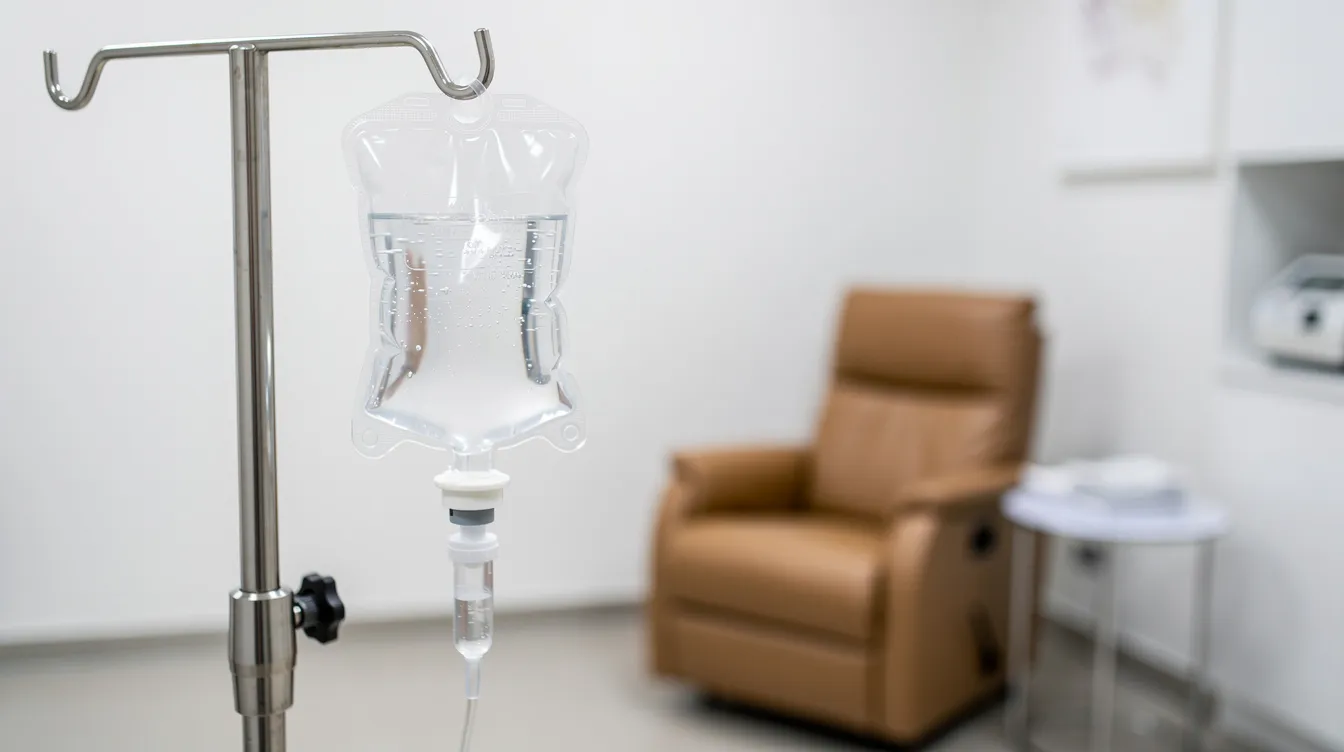
At BWell Clinic, men's health is integrated into a broader preventive and longevity care model. Services include advanced physical exams, cardiovascular diagnostics through the Heart Health Program, IV therapy services, and medically supervised weight loss. A quality men's health clinic requires licensed medical doctors or specialists, and BWell's team of physicians, nurse practitioners, and wellness staff collaborates to deliver evidence-based care rather than one-size-fits-all protocols. Visits are discreet, unhurried, and designed to make it easier to talk about sensitive topics like low sex drive, erectile dysfunction, anxiety, and burnout.
Common Men's Health Concerns Worth Discussing
Many men in their 30s through 60s normalize symptoms that deserve clinical attention. Hormones regulate physical, sexual, and mental well-being in men, and when something shifts, the effects ripple across every area of life.
Frequent concerns worth raising at a men's health clinic include:
- Persistent fatigue and low energy: Could stem from low testosterone, thyroid dysfunction, sleep disorders, or undiagnosed diabetes.
- Low sex drive and difficulty maintaining erections: Sexual symptoms are among the most specific indicators of testosterone deficiency. Low testosterone affects fertility, libido, and concentration.
- Weight gain and loss of muscle mass: Up to 25–30% of men with obesity or type 2 diabetes show functional low testosterone levels, yet many never receive assessment.
- Sleep problems and snoring: Untreated sleep apnea suppresses testosterone and raises cardiovascular risk.
- Mood changes: Irritability, depressed mood, anxiety, and decreased motivation are common but often underreported health issues.
- Decreased exercise performance: Decline in stamina beyond expected age-related changes.
Erectile dysfunction can be an early warning sign of heart disease and diabetes, not just a sexual health problem. Older men and those with family histories of cardiovascular disease, colon cancer, or prostate problems benefit from earlier and more frequent preventive checks.
Signs and Symptoms of Low Testosterone
Testosterone is primarily produced in the testicles and plays central roles in sex drive, muscle mass and bone density maintenance, red blood cell production, mood, and cognitive function. Testosterone levels decline about 1% per year after age 30, and for some men, this gradual decrease eventually crosses into clinical territory.
Sexual and physical symptoms:
- Reduced libido and low sex drive
- Fewer spontaneous morning erections
- Erectile dysfunction
- Decreased muscle mass and strength
- Increased body fat, especially around the abdomen
- Decline in exercise capacity and stamina
- Slower body hair and beard growth
Mental and cognitive symptoms:
- Trouble concentrating, "brain fog"
- Low motivation, irritability
- Depressed mood, anxiety
- Sleep disturbance and fatigue
These symptoms develop gradually and overlap with conditions like thyroid disease, sleep apnea, diabetes, and chronic stress. A men's health clinic differentiates between normal age-related decline and true hypogonadism by looking for persistently low testosterone levels combined with consistent symptoms—a process requiring lab testing and a thorough clinical history, not guesswork.

How Testosterone Levels Are Evaluated
Testing should be ordered and interpreted by a qualified healthcare provider. A legitimate clinic will perform extensive blood testing for diagnosing low testosterone rather than relying on symptom questionnaires alone.
Here is how proper evaluation works:
- Morning fasting blood draw - total testosterone is measured between 7–10 a.m. when levels are highest. Low testosterone diagnosis requires morning blood tests to confirm symptoms.
- Repeat confirmation - guidelines require at least two separate low readings on different mornings, plus compatible symptoms, before a diagnosis is made. Current thresholds define low total testosterone as below roughly 300–350 ng/dL depending on the guideline used.
- Additional panels - free testosterone, SHBG, LH, FSH, estradiol, complete blood count, PSA in men over 40, lipid panel, fasting glucose or A1c, and thyroid function tests. Comprehensive diagnostics should include multiple tests for low testosterone.
- Underlying cause investigation - obesity, sleep apnea, certain medications (opioids, glucocorticoids), and pituitary issues can suppress male hormones and may need to be addressed before or alongside any replacement therapy. Hormone optimization is important for addressing low testosterone and andropause symptoms, but testosterone therapy should not be the first step without thorough evaluations.
At BWell Clinic, labs are coordinated efficiently with clear explanation of results and time set aside to discuss treatment options the same day or at a prompt follow-up visit.
Testosterone Treatment Options and Important Risks
Testosterone replacement therapy is a medical treatment reserved for men with confirmed low testosterone levels and compatible symptoms - not a general lifestyle shortcut. Personalized treatment plans are essential, and a personalized healthcare approach improves men's physical and mental well-being.
Common delivery methods:
- Intramuscular injections (weekly or every 10–14 weeks for long-acting formulations)
- Topical gels or creams applied daily
- Subcutaneous pellets implanted every few months
- Oral formulations in select cases
Potential benefits in properly selected men:
- Improved sex drive and sexual function
- Better energy, mood, and mental well being
- Increased lean muscle mass, reduced fat mass
- Improved bone density over time
Key risks and monitoring needs:
- Polycythemia (elevated red blood cell count) - requires regular blood tests
- Reduced sperm production - one-third of couples face fertility issues due to male factors, and exogenous testosterone can worsen this
- Prostate monitoring via PSA, particularly in older men
- Fluid retention, acne, and still-evolving cardiovascular risk data
A meta-analysis of 38 randomized controlled trials found modest improvements in sexual function and quality of life, but minimal effect on physical functioning or mood in many studies beyond 6–12 months. Monitoring protocols are crucial in hormone therapy for safety and adjustments, and regular consultations help manage hormonal imbalances effectively.
At BWell Clinic, the Hormone Harmony Program combines hormone balance with lifestyle coaching - nutrition, a balanced diet, resistance training, adequate sleep, and managing stress - because some men with borderline levels can see improvement through lifestyle changes alone. Holistic approaches to care consider lifestyle factors like diet and exercise in treatment protocols alongside or instead of replacement therapy.
Preventive Health Screenings for Men
A men's health clinic visit is an ideal time to update age-appropriate screenings, not just address low testosterone or erectile dysfunction. Men's health clinics should emphasize preventive care and disease management strategies through annual reviews and preventive screenings.
- 30s - baseline blood pressure, cholesterol, fasting glucose, weight and metabolic markers, mental health and stress screening, immunization updates.
- 40s - preventive screenings for diabetes and cardiovascular diseases are necessary for men over 40. Men over 40 should undergo regular cardiovascular and metabolic assessments. Consider earlier heart health workup if family history is present. Begin prostate health discussions based on risk.
- 50s and beyond - colorectal cancer screening, regular PSA discussions, bone health evaluation for men with long-term low testosterone levels, and more frequent cardiovascular risk assessment.
Men's health clinics should provide cancer screenings tailored to age and risk factors. BWell Clinic integrates advanced longevity diagnostics including detailed cardiovascular risk assessment and comprehensive lab panels covering inflammation, hormones, and metabolic markers. Reviewing medications, supplements, physical activity, alcohol intake, tobacco use, and sleep at least annually helps fine-tune preventive strategies. Depression, anxiety, and substance use screenings are a standard, respectful part of modern men's healthcare.
When Should You Schedule a Men's Health Consultation?
Men should not wait until severe symptoms or a crisis to seek care. Earlier evaluation typically leads to simpler interventions, more lifestyle options, and better long-term health outcomes.
Consider booking an appointment if you experience:
- Persistent low sex drive or erectile dysfunction lasting more than three months
- Unexplained fatigue or a noticeable decrease in performance at work or in the gym
- Mood changes, withdrawal from social life, or difficulty with managing stress
- Weight gain despite regular exercise and reasonable effort
- A strong family history of heart disease, diabetes, or early heart attacks
- Age over 45–50 without recent high blood pressure, cholesterol, or prostate discussions
Men already on testosterone or other hormone therapies from non-specialist sources should consider a second opinion at a dedicated clinic to ensure proper dosing, lab monitoring, and risk management. Partners who notice changes in energy, mood, or sexual health can encourage a confidential consultation. Men's health clinics offer virtual appointments for convenience, making it easier to take that first step.
Men's Health Services in Stone Oak, San Antonio
BWell Clinic is a premium preventive and men's health destination for Stone Oak and the greater San Antonio area. While services like those offered by Gameday Men's Health provide same-day lab results for testosterone testing, and academic centers like UCLA Men's Clinic offer comprehensive men's health services, BWell Clinic combines the accessibility of a local practice with the depth of a comprehensive range of diagnostic and treatment options.
BWell Clinic – Stone Oak 225 E Sonterra Blvd, STE 108, San Antonio, TX 78258 (210) 761-5062 | stoneoak@bwellclinic.com
Key men's health offerings at Stone Oak:
- Low testosterone and hormone balance programs
- Erectile dysfunction and sexual health consultation
- IV vitamin therapy for energy and recovery
- Medically supervised weight loss with evidence-based medication support
- Heart health and cardiovascular diagnostics
- Allergy immunotherapy where appropriate
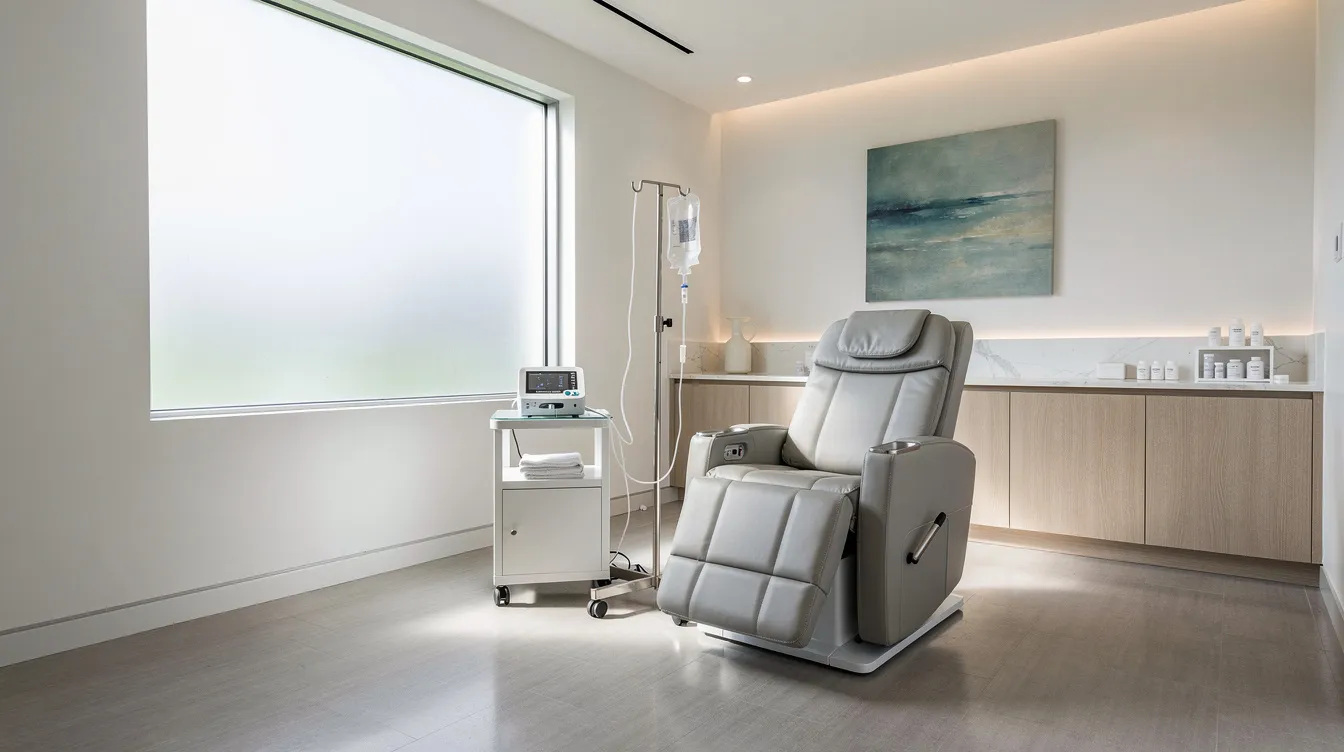
Flexible scheduling includes both in-clinic and virtual visits designed to fit around work and family commitments. The clinic atmosphere is modern, discreet, and built for comfort, with private exam rooms and an emphasis on patient education rather than rushed appointments.

Frequently Asked Questions About Men's Health Clinics and Low Testosterone
Many men share similar questions about low testosterone, erectile dysfunction, and how a men's health clinic visit works. The following FAQs address common concerns not fully covered above.
How long does it take to get testosterone test results?
Most standard testosterone results return within 24–48 hours. At BWell Clinic, results are reviewed promptly with patients by phone, secure portal, or a scheduled follow-up visit. More extensive hormone panels or specialty tests may take slightly longer, but patients are informed of timelines in advance.
Can I improve low testosterone symptoms without starting replacement therapy?
Yes. Evidence-based strategies include losing excess body fat, resistance training and regular exercise, improving sleep duration and quality, reducing heavy alcohol use, and treating conditions like sleep apnea. These lifestyle changes can meaningfully raise testosterone levels in some men. At BWell Clinic, clinicians often pair these interventions with - or sometimes use them instead of - testosterone replacement, based on lab values, age, and health tips tailored to each patient's goals.
Is testosterone replacement therapy safe if I want to have children?
Standard testosterone replacement can lower sperm production and may impair fertility while on treatment, so it is generally not recommended for men actively trying to conceive. Men who wish to maintain fertility should discuss alternative approaches and fertility-preserving options with their BWell Clinic doctor or a reproductive specialist before starting any hormone therapy.
Will my insurance cover men's health visits and testosterone testing?
Coverage varies widely by plan and carrier. We recommend calling your insurance or the BWell Clinic Stone Oak front desk at (210) 761-5062 to verify benefits for labs, consultations, and follow-up visits. Transparent self-pay pricing is available if you prefer not to use insurance.
How often will I need follow-up visits if I start testosterone therapy?
Early in treatment, follow-ups are typically every 3–4 months to review symptoms, adjust doses, and repeat blood tests including testosterone, blood counts, and PSA where appropriate. Once stable, many men are monitored two to three times per year. Individual schedules at BWell Clinic are tailored to each patient's age, health status, and overall treatment plan.
Picture Your Next Season of Health: Schedule with BWell Clinic
Imagine waking up with steady energy, sharper focus, and confidence in your sexual health. That version of your life isn't out of reach - it starts with a single conversation with a healthcare team that takes your well being seriously.
BWell Clinic specializes in preventive care, hormone balance, IV therapy, heart health, and medical weight loss for men in the Stone Oak and Lakeway, Texas communities. Every visit is personalized, private, and built around your long term health goals.
If you have been putting off care - whether it is persistent fatigue, changes in libido, erectile dysfunction, or simply wanting a thorough baseline - this is your moment. Call the Stone Oak office at (210) 761-5062 or request an appointment online for a men's health and low testosterone evaluation. In-clinic and virtual consultations are available.
BWell Clinic – Stone Oak 225 E Sonterra Blvd, STE 108, San Antonio, TX 78258
Recent Posts