
CELL THERAPY
Cell Therapy Optimization at BWell Clinic
Cell therapy uses specific cell types, including blood cells, to treat diseases by restoring or replacing damaged or nonfunctional cells with healthy cells. Cell therapies act as "living drugs" that can adapt, grow, and persist inside the body to provide long-term treatment. This cutting-edge, minimally invasive treatment accelerates recovery, enhances mobility, and supports long-term vitality with personalized protocols and low risk. Autologous cell therapy uses cells derived from the patient’s own tissues, minimizing immune rejection but raising particular concern about cell quality and cost, while allogeneic therapies use donor cells and are being developed as off-the-shelf options. Researchers are exploring ways to improve cell therapies to better treat a range of conditions and ensure the replacement of normal cells, yielding progressive improvements over time.
Unlock Your Potential with CAR T Cell Therapy
When injuries, aging, or wear-and-tear hinder your daily life and performance, advanced regenerative options can restore your edge. Regenerative medicine applications of cell therapies include repairing joint damage, spinal cord injuries, and heart failure by restoring healthy cells and complementing our broader personalized wellness programs. At BWell Clinic, our specialists deliver expert cell therapy and personalized health services tailored to your needs, backed by science to optimize healing and longevity as part of our broader personalized health care services. Schedule a consultation by phone or online today to discover the right path for you.
Types of Cell Therapies
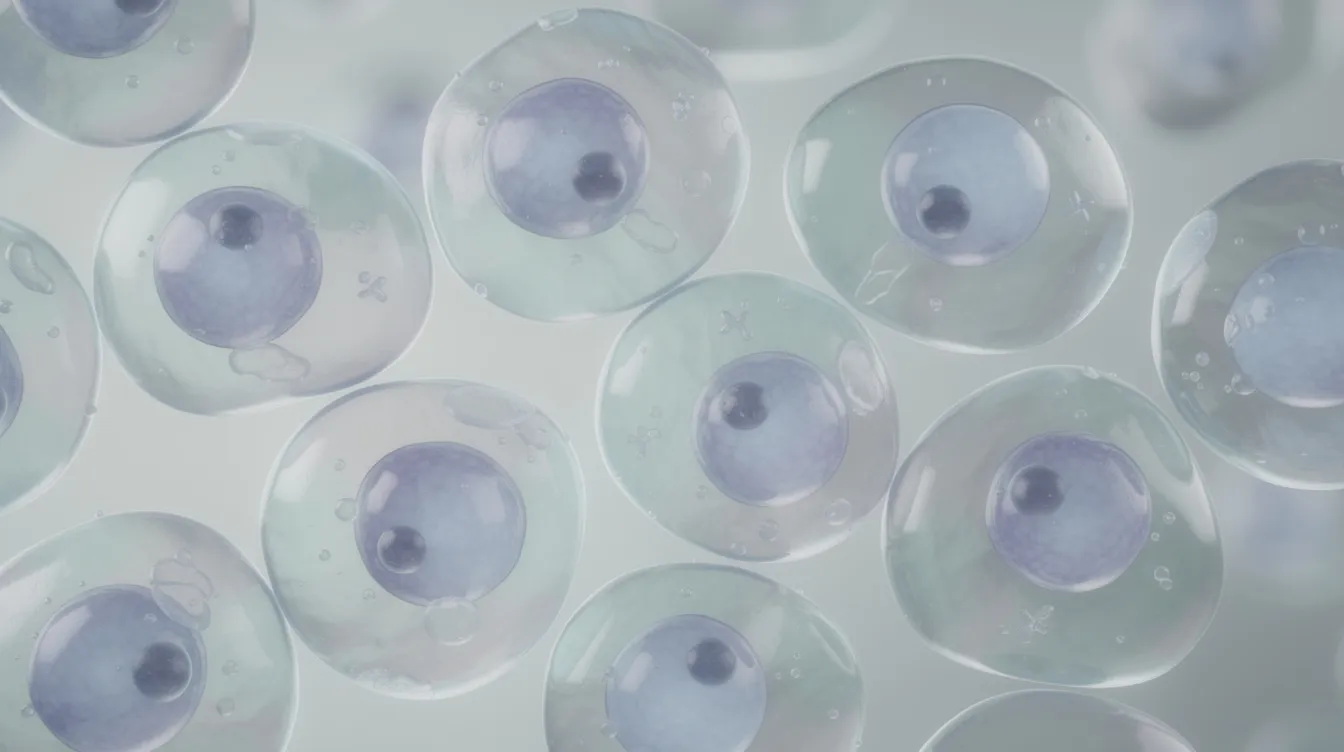
Cell therapies represent a rapidly evolving field, offering innovative solutions for a range of health challenges. At BWell Clinic, we utilize several personalized health and wellness services tailored to individual needs. One of the most groundbreaking is CAR T cell therapy, where a patient’s own T cells are genetically modified to recognize and attack cancer cells, providing new hope for those with certain blood cancers. Mesenchymal stem cell therapy harnesses the regenerative power of mesenchymal stem cells, which can transform into various cell types to repair tissue and modulate the immune system, making it valuable for healing injuries and reducing inflammation. Hematopoietic stem cell transplantation, often known as a stem cell or bone marrow transplant, replaces damaged or diseased blood-forming cells in the bone marrow, restoring healthy blood and immune function. Each therapy is designed to target specific conditions—whether it’s fighting cancer, repairing tissue, or supporting the immune system—using the body’s own cells or carefully matched donor cells to optimize healing and recovery.
Understanding Immune Cells
The immune system is the body’s natural defense against disease, and immune cells are at the heart of this complex network. T cells, a vital type of immune cell, can be engineered in CAR T cell therapy to seek out and kill cancer cells with remarkable precision. Dendritic cells play a crucial role by presenting pieces of pathogens or tumor cells to T cells, effectively jumpstarting the immune response. Natural killer (NK) cells are another powerful component, capable of directly destroying infected or tumor cells without prior exposure. By understanding and leveraging these immune cells, cellular therapies can be designed to enhance the body’s ability to fight cancer and other diseases, offering targeted, personalized treatment options that work with your body’s own defenses and integrating with our health optimization programs and education.
Manufacturing Cellular Therapies
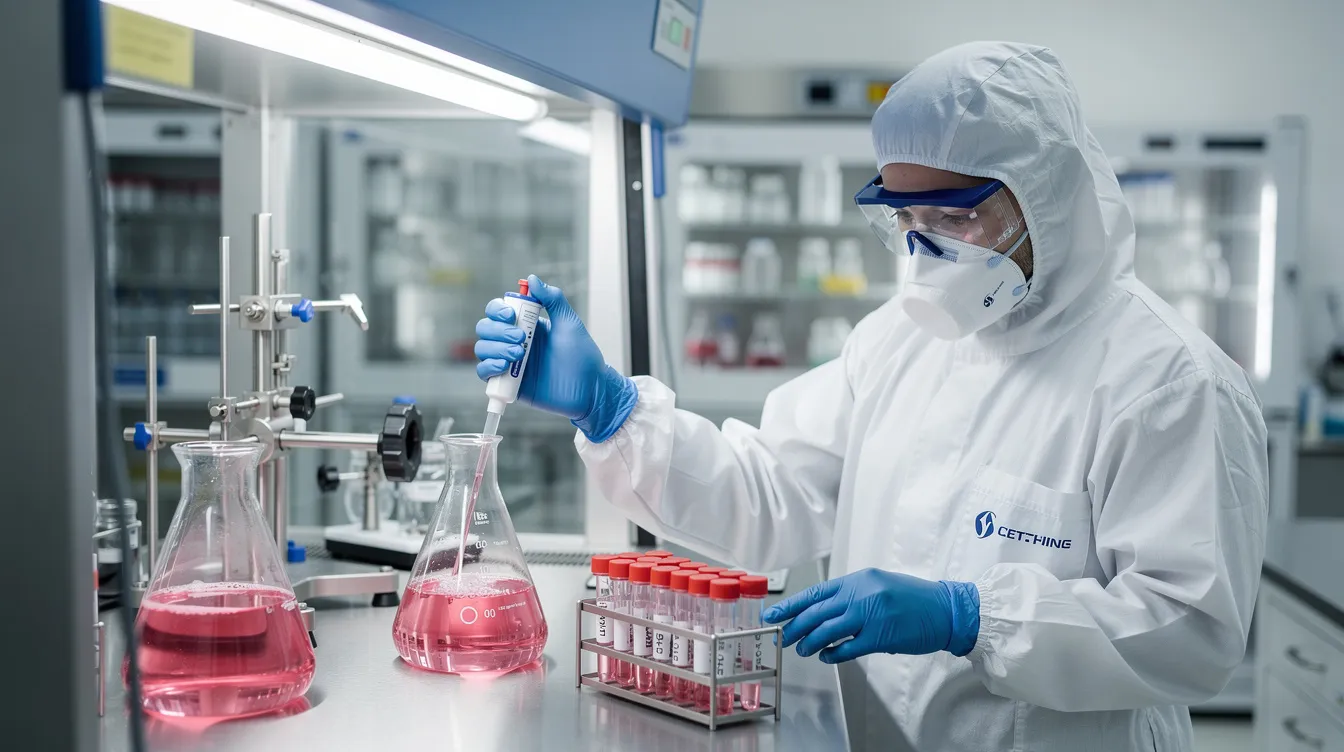
Creating effective cellular therapies is a meticulous process that begins with collecting cells—either from the patient (autologous) or a healthy donor. For treatments like CAR T cell therapy, a small number of the patient’s T cells are collected, genetically modified in specialized facilities, and then reinfused to target cancer cells. Allogeneic therapies, which use donor cells, require careful matching to minimize rejection and may utilize sources like umbilical cord blood for hematopoietic stem cell transplantation. Throughout manufacturing, every step—from processing and modifying cells to rigorous testing—ensures the highest standards of quality, safety, and efficacy, aligning with the comprehensive evaluations in our advanced wellness physical program. Advances in automation and closed-system technologies are making these therapies more accessible, scalable, and consistent, allowing more patients to benefit from the latest breakthroughs in regenerative medicine and cancer treatment.
Mesenchymal Stem Cells Therapy Q & A
Why do I need Cell Therapy?
Cell therapy can be used to treat a variety of cancer types, including blood cancers such as acute lymphoblastic leukemia, multiple myeloma, and lymphoma, as well as solid tumors. It is also being studied for autoimmune diseases like multiple sclerosis and rheumatoid arthritis, neurological disorders such as Parkinson’s, and cardiovascular repair after heart attacks. By using specific cells to repair, replace, or modulate the function of damaged tissues or immune responses, cell therapy offers targeted solutions for conditions that may not respond to conventional treatments.
What Cell Therapy Procedures might I receive?
You might receive several types of cell therapy procedures, depending on your condition. CAR T-cell therapy, which involves genetically engineering a patient’s own T cells to recognize and attack cancer cells via specific cell receptors, has been FDA-approved as a standard of care for certain blood cancers, including acute lymphoblastic leukemia (especially to treat children) and non-Hodgkin lymphoma, as well as multiple myeloma. Since the first FDA approval in 2017, several CAR T-cell therapies have expanded treatment options for advanced blood cancers. Tumor-Infiltrating Lymphocyte (TIL) therapy extracts immune cells from a tumor, multiplies them outside the patient’s body, and reinfuses them to target solid tumors such as melanoma, cervical, and lung cancers—recently gaining FDA approval for some solid tumors. Natural Killer (NK) cell therapy uses innate immune cells to kill malignancies and is being explored for “off-the-shelf” use, meaning they do not require harvesting from each patient’s body. Engineered T-Cell Receptor (eTCR) therapy modifies T cells to recognize specific cancer antigens presented by HLA molecules on tumor cells, expanding options for solid cancers. Mesenchymal stem cell (MSC) therapy is being explored for bone and cartilage regeneration, immune modulation, and tissue regeneration due to their unique immunomodulatory properties. Cell and gene therapies are advanced biopharmaceutical products; gene therapy modifies genetic instructions within cells to treat or prevent disease, much like hormone replacement therapy for better health restores balance to improve quality of life. Xenogeneic cell therapy, which involves transplanting cells from another species, is primarily experimental and not widely used in humans yet. Automated manufacturing methods are being developed to improve the quality and reduce the cost of processed cells for clinical use.
What should I expect during Cell Therapy?
Before receiving cell therapy, you may undergo chemotherapy as a preconditioning regimen to suppress your immune system and improve treatment outcomes. The types of cells used—such as T cells, NK cells, or stem cells—are selected based on your disease and treatment goals. Processed cells are manufactured, tested, and shipped under strict quality controls before being administered. For stem cell transplants, peripheral blood stem cells are often used as an alternative to bone marrow or umbilical cord blood, offering faster engraftment and better survival rates. The procedure may involve infusing the specific cells into your bloodstream, where they travel to the target tissue or tumor.
How long does it take for Cell Therapy to produce results?
The time to see results from cell therapy varies depending on the type of therapy, the condition being treated, and individual patient factors. Clinical trials are ongoing to determine the effectiveness and safety of new therapies, and combination therapies—such as pairing CAR T-cell therapy with other agents—are being researched to enhance efficacy. Some patients may notice improvements within weeks, while others may require several months. Cell therapies are also being studied for autoimmune diseases, neurological disorders, and cardiovascular repair, expanding their potential applications.
Schedule Your Hematopoietic Stem Cell Transplantation Consultation
Empower your body to heal itself with cell therapy at BWell Clinic. Ideal for overcoming injuries, combating age-related wear, or enhancing preventative wellness, our regenerative solutions help you reclaim strength, agility, and vitality. Contact us today by phone or book online to begin your transformation toward a more resilient, active life.
Visit any of our convenient Texas locations:
- San Antonio – Stone Oak: BWell Clinic San Antonio-Stone Oak
- Austin – Lakeway: BWell Clinic Austin-Lakeway
- Dallas – Keller: BWell Clinic Dallas-Keller
Contact us today to schedule a consultation and explore how BWell can transform your health journey.