Peptides in Skincare Products: How They Work, Who They Help, and How We Use Them at BWell Clinic
If you have been reading ingredient lists on serums and moisturizers lately, you have probably noticed "peptides" showing up everywhere. The hype is real, but so is the confusion. This guide breaks down exactly how peptides in skincare products work, which types matter for your skin goals, and how BWell Clinic integrates them into personalized wellness plans for patients across Texas.
Key Takeaways
- Peptides are short chains of amino acids that signal skin to produce more collagen, elastin, and hyaluronic acid, helping reduce fine lines and sagging skin over time.
- Not all peptides work the same way; different peptides have different jobs, from boosting collagen production to calming inflammation to softening expression lines.
- Results from peptide treatments are gradual and require consistent use, with structural improvements typically appearing after 8–12 weeks of daily application.
- The best peptide creams and serums pair peptides with hydrators like hyaluronic acid and barrier-supporting lipids for stronger, more visible results.
- BWell Clinic in Texas offers medical-grade peptide skincare, in-clinic aesthetic treatments such as microneedling and laser resurfacing, and personalized routines that combine topical peptides with systemic peptide therapies for longevity and skin health.
What Are Peptides in Skin Care, Exactly?
Peptides are short chains of amino acids - the same building blocks that form essential proteins such as collagen, elastin, and keratin in the skin. Think of it this way: amino acids are letters, peptides are words, and proteins are full sentences. Without the right words, the sentence falls apart.
Your body's natural production of peptides and collagen begins to slow as early as the late 20s, accelerating through the 30s and 40s. That is when fine lines, dullness, and sagging skin start becoming noticeable. Peptides skin care refers specifically to topical products - serums, creams, eye treatments, and even sunscreens - formulated with these short chains of amino acids to support the skin's own repair and renewal processes. Peptides are found in serums, creams, and sunscreens across every price point, but quality and concentration vary dramatically.
How Do Peptides Work on the Skin?
Not all peptides work the same way, but most act as messengers that coach skin cells to behave more youthfully. Here is how the main categories function:
Signal peptides tell fibroblasts deep in the dermis to ramp up collagen and elastin production. Over weeks, this helps improve firmness and smooth fine lines. Peptides stimulate collagen production in the skin, essentially reminding it to do what it did naturally when you were younger.
Carrier peptides (like copper peptides) deliver trace minerals that support wound healing, antioxidant defense, and overall skin repair. They are particularly useful after in-clinic procedures.
Barrier-supporting peptides strengthen the skin barrier, reduce transepidermal water loss, and help calm redness - especially useful for dry skin or sensitive skin types dealing with Texas heat and indoor A/C.
Topical peptides are not fillers or injectables. They work gradually and cumulatively, and daily use of peptides maximizes their skin benefits. A 2025 meta-analysis of 19 randomized controlled trials involving 1,341 participants confirmed that both oral and topical peptides improved hydration, brightness, and modestly reduced wrinkles when used consistently. Meanwhile, a 2025 RCT comparing a cyclized hexapeptide-9 to retinol showed the peptide matched or outperformed retinol on wrinkle reduction over 56 days - with less irritation.
Types of Peptides You'll See on Skincare Labels
Understanding a few key names helps you choose better products instead of guessing at ingredient lists.
Signal peptides like palmitoyl tripeptide-1, palmitoyl tetrapeptide-7, and matrixyl-type peptide complexes are among the most studied. They are linked to improvements in fine lines and wrinkles, early signs of photoaging, and overall skin texture. These are the peptides that boost collagen and help you build more collagen over time.
Copper peptides (GHK-Cu) are blue-tinted carrier peptides known for accelerating wound healing and reducing inflammation. They are a favorite for post-procedure recovery and improving skin firmness.
Neuropeptide-style actives such as acetyl hexapeptide-8 (often called argireline) work differently.
Neurotransmitter-inhibiting peptides may reduce the appearance of expression lines by modulating muscle contraction signals. They are not the same as Botox, but certain peptides like these can subtly soften dynamic wrinkles.
Barrier and skin-identical peptides reinforce the moisture barrier - particularly valuable for people in dry, sunny Texas climates dealing with dehydration and uneven tone.
When scanning labels, look for the words "peptide," "palmitoyl," "hexapeptide," "tripeptide," or "oligopeptide" as quick recognition cues.
Benefits of Peptides for Different Skin Concerns
Here is how different peptides map to specific concerns common among adults in Texas, from sun exposure to early lines around the eyes and mouth.
Fine lines and wrinkles: Collagen-boosting signal peptides gradually smooth crow's feet, forehead lines, and smile lines. Peptides can reduce fine lines and wrinkles over time, especially with twice-daily application over several months. Peptides may also improve skin texture by enhancing overall hydration.
Sagging skin and loss of firmness: Consistent use of peptide creams and serums helps improve skin elasticity, supporting jawline definition and cheek bounce by reinforcing collagen and elastin networks. Peptides help maintain skin hydration and barrier function simultaneously.
Early signs of aging (30s–40s): Incorporating peptides at the first hint of texture change or faint lines acts as a preventive strategy, slowing visible signs of aging before deep wrinkles form.
Skin barrier support and dryness: Barrier peptides reduce roughness, flaking, and tightness for those with compromised barriers from retinoids, Texas heat, or frequent procedures.
Post-procedure recovery: A 2026 split-face RCT using a tripeptide/hexapeptide serum applied before and after fractional CO₂ laser and radiofrequency microneedling showed reduced edema, redness, roughness, and faster recovery on the treated side.
Are Peptides Suitable for Sensitive Skin?
Many patients at BWell Clinic have reactive or sensitive skin and are cautious about new active ingredients - understandably so.
Because peptides are constructed from amino acids naturally present in the body, they are generally well tolerated and often recommended for redness-prone skin. Peptides are suitable for all skin types, including sensitive skin. Certain peptides also have anti-inflammatory properties that may calm irritated skin rather than aggravate it.
Sensitivity reactions are more likely to come from added fragrances, essential oils, or harsh preservatives in a formula, not from the peptide itself. Patch testing new peptide creams or serums on a small area for 24–48 hours is smart practice, especially for those with rosacea or eczema.
Peptides can serve as a gentler alternative - or a companion - to more aggressive anti aging actives like strong retinoids or alpha-hydroxy acids. Their gentle nature makes them especially useful for patients unable to tolerate high-strength exfoliants. BWell Clinic clinicians design peptide-centric routines for highly sensitive or post-procedure skin, often pairing peptides with ceramides, niacinamide, and barrier-repair moisturizers.
How Peptides Pair with Hyaluronic Acid and Other Skincare Ingredients
Peptides rarely work alone in well-formulated products. Combining them intelligently amplifies results without overwhelming the skin. Peptides can be layered with hyaluronic acid and niacinamide for a routine that addresses multiple concerns at once.
Hyaluronic acid draws water into the skin, plumps fine lines quickly, and creates an ideal hydrated environment so peptides can support longer-term collagen remodeling. If you are dealing with dehydration symptoms, hydration from the inside out matters just as much.
Antioxidants like vitamin C and vitamin E defend against free-radical damage from UV and pollution - a real concern in Texas cities. While antioxidants protect, peptides target rebuilding structural proteins underneath.
Niacinamide strengthens the barrier, reduces redness, and helps improve skin tone. Niacinamide plus peptides is a popular combination for smoother texture and more even tone.
Retinoids and peptides pair well when used thoughtfully. Retinoids speed cell turnover while peptides sustain collagen and comfort the skin. Stagger application (retinoid at night, peptides morning and night) if your skin type is reactive.
BWell Clinic's medical-grade skincare product selections are designed to work within broader regimens that may also include in-office treatments like microneedling, laser resurfacing, or bioidentical hormone therapy supporting healthy skin from the inside out.
Choosing the Best Peptide Creams and Serums for Your Skin
Here is a practical framework for readers browsing peptide products online or at a medical spa.
Serums vs. creams: Serums usually deliver higher concentrations with lightweight hydration ideal for layering - great for oily skin or combination types. Peptide creams seal in moisture and suit dry or mature skin better, functioning as firming creams that lock in active ingredients overnight.
Label cues to look for: Multiple peptides in one formula, inclusion of hydrators (hyaluronic acid, glycerin), barrier lipids (ceramides), and absence of heavy fragrance. Choosing serums or moisturizers with peptides listed early in the ingredient list maximizes effectiveness.
Standout products worth knowing:
| Product | Best For |
|---|---|
| Medik8 Liquid Peptides | Top-rated peptide serum overall |
| Naturium Multi-Peptide Moisturizer | Value-driven daily moisturizer |
| Skinceuticals P-TIOX | Reducing wrinkles and signs of aging |
| CosRx 6X Peptide Collagen Booster | Popular Korean peptide serum |
Match your skincare product to your main priority - whether that is firming, smoothing skin texture, calming redness, or post-procedure repair. Peptides help refine signs of aging but will not replace in-clinic treatments for deep wrinkles or advanced sagging. They are best as daily maintenance and prevention. BWell Clinic's curated medical-grade peptide products eliminate trial-and-error drugstore shopping, offering physician-vetted formulas and personalized recommendations based on skin type, age, and overall skin goals.
How BWell Clinic in Texas Uses Peptides for Skin, Longevity, and Overall Wellness
At BWell Clinic, topical peptide skincare is one piece of a larger preventive health and longevity strategy.
We integrate peptide-based skin care products with in-clinic aesthetic services - microneedling, light chemical peels, and post-laser care - to maximize collagen stimulation and improve skin tone and texture. Peptides serve as the daily foundation; procedures accelerate results.
BWell also offers systemic peptide therapies (where medically appropriate) as part of supervised programs for metabolic health, recovery, sexual health, and healthy aging. These are distinct from cosmetic peptide creams; they are prescription-grade and monitored.
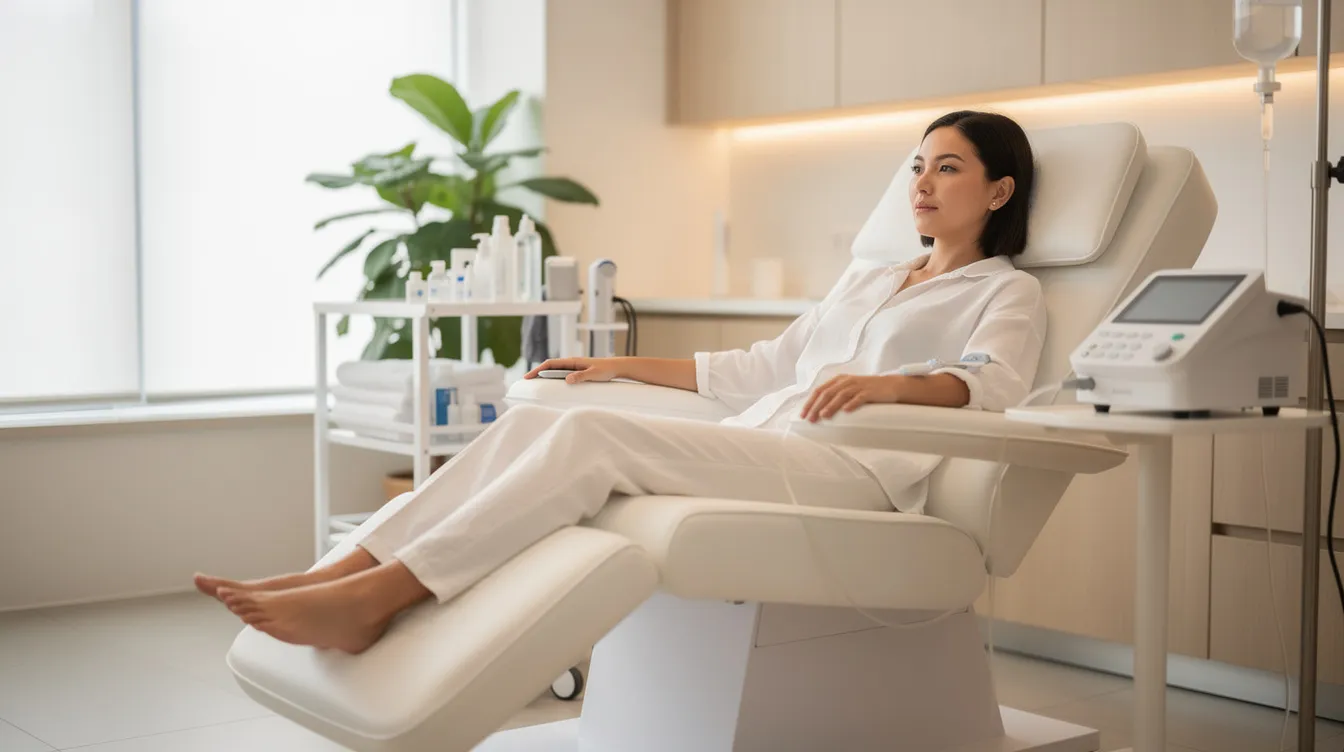
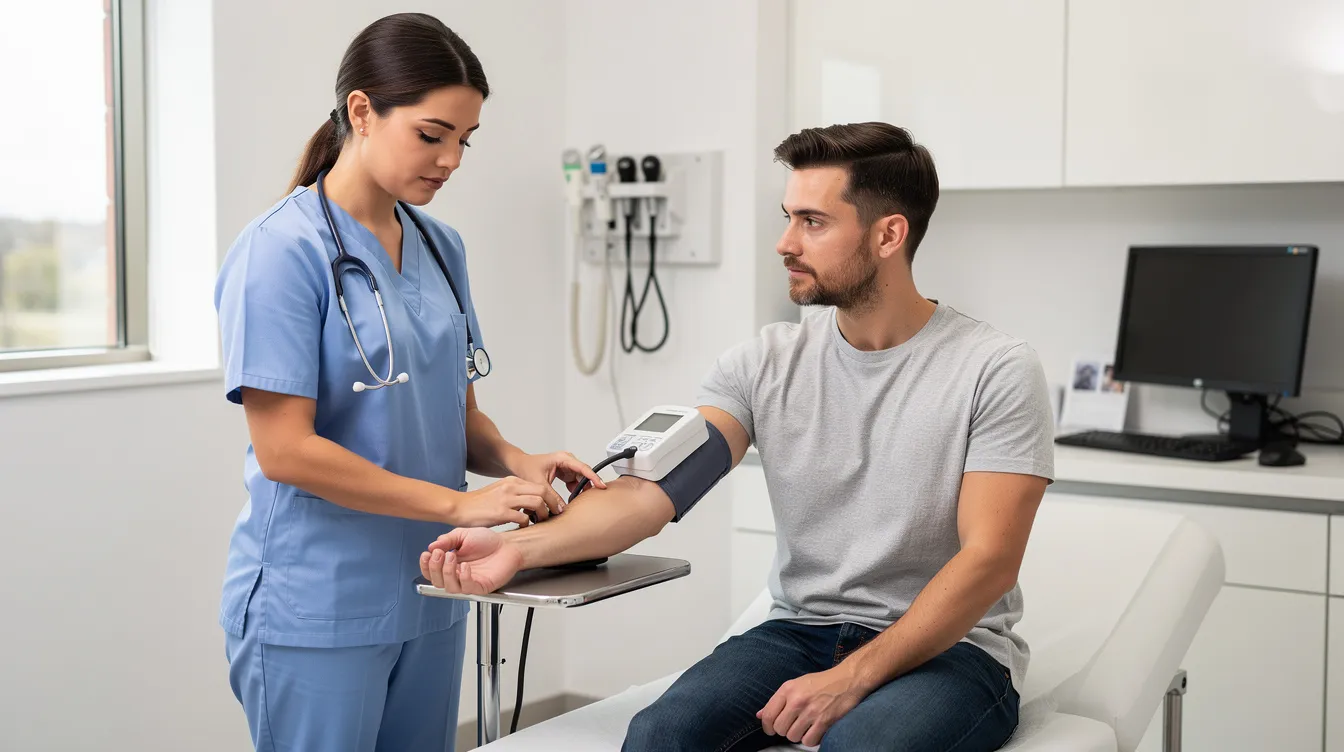
Comprehensive programs may combine peptide skincare, IV vitamin therapy, hormone balance through bioidentical hormone replacement, medically supervised weight management, and cardiovascular diagnostics to support skin health from the inside out.
Texas-specific concerns we see daily across San Antonio, Austin, Dallas, and Plano: cumulative sun damage from high UV exposure, chronic dryness from indoor A/C, and stress-related premature aging in busy professionals. Our medical providers create individualized plans and help patients interpret product labels, treatment options, and realistic timelines for improvements in fine lines, sagging skin, and overall vitality.
Frequently Asked Questions About Peptides in Skincare
These questions go beyond the basics covered above. For any complex skin history or use of prescription topicals, Texans should consult a qualified provider - such as the medical team at BWell Clinic - before adding advanced peptide products to their daily routine.
When should I start using peptide skincare products?
Collagen production begins to decline in the late 20s, so many people in their late 20s to early 30s use peptides proactively to address early signs like subtle fine lines and mild dullness. Those in their 40s, 50s, and beyond can still see meaningful benefits, using peptides as part of a broader skin care routine that may include in-clinic procedures for more advanced concerns. Starting earlier simply means you are working with prevention rather than correction.
Can peptides replace Botox, fillers, or laser treatments?
No. Peptides are supportive, gradual-acting key ingredients that cannot physically freeze muscles like Botox or add volume like dermal fillers. At BWell Clinic, peptides are often used alongside injectables or laser treatments to maintain results between visits and support long-term youthful looking skin quality. Think of them as the daily routine that protects your investment in other actives and procedures.
Are peptide products safe to use during pregnancy or breastfeeding?
Most topical peptides are considered low-risk due to minimal systemic absorption and low concentrations, but data in pregnancy and breastfeeding is limited. Formulations vary. We recommend that pregnant or breastfeeding patients review ingredient lists with their OB-GYN or a BWell Clinic provider before starting any new active skincare regimen. Avoid oral or injectable peptide supplements unless cleared by your physician.
How long do I need to use peptides before I see results?
Increased hydration and plumpness from peptide-hyaluronic acid formulas can appear within days. However, collagen-related changes in skin firmness and wrinkle reduction usually require 8–12 weeks of consistent use. Visible results from peptide use typically take 4 to 12 weeks of daily application depending on the concern. Stopping use gradually allows elastin production and collagen synthesis to drift back toward baseline, so continued use is ideal. For a deeper look at timelines, see our guide on how long it takes for peptides to work.
Should I use peptide creams in the morning, at night, or both?
Most people can safely use the best peptides twice daily: in the morning under sunscreen to protect against sun exposure, and at night after cleansing alongside other actives. If your skin is very sensitive, start with once daily and build up. BWell Clinic providers design custom AM/PM routines that integrate peptide products with retinoids, antioxidants, and sun protection for maximal benefit across different concerns.
Visit BWell Clinic in Texas for Personalized Peptide and Skin Health Programs
If you want expert guidance on peptide skincare and longevity-focused wellness, BWell Clinic's medical team is ready to help. We see patients at four Texas locations, with both in-clinic and virtual consultations available:
- San Antonio – Stone Oak
Phone: (210) 555-1234 → San Antonio – Stone Oak location details - Austin – Lakeway
Phone: (512) 555-5678 → Lakeway location details - Dallas – Keller
Phone: (817) 555-9012 → Keller location details - Plano
Phone: (972) 555-3456 → Plano location details
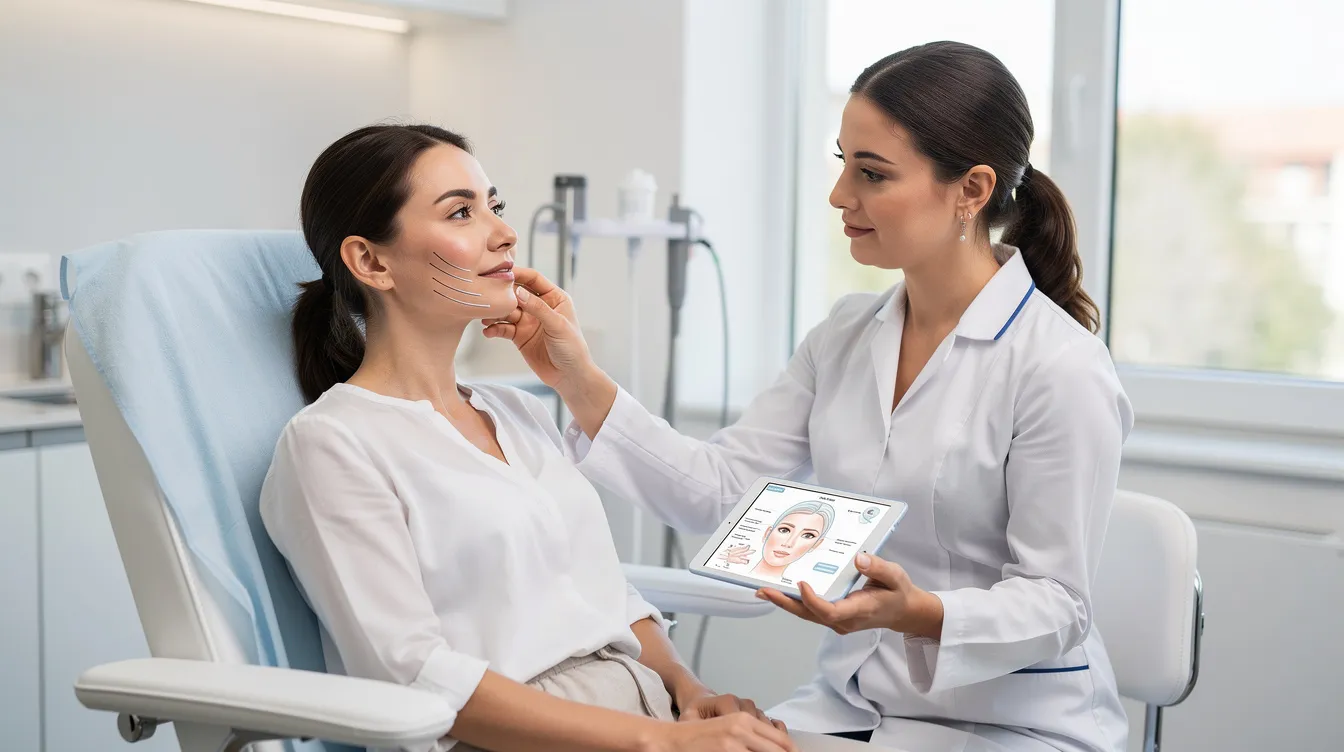
The typical process starts with a comprehensive consultation - reviewing your current skincare and health status, discussing goals like softening fine lines, improving energy, or supporting hormone balance, and creating a tailored plan. Services include medical-grade peptide creams and serums, IV vitamin therapy for skin and immune support, hormone optimization, and regenerative peptide-based therapies where medically appropriate.
Ready to build a plan that fits your skin, lifestyle, and long-term health goals? Contact BWell Clinic to schedule your consultation - in person or virtually. Up-to-date phone numbers and booking links for each location are available on our website.
Recent Posts