IV Nutrition: A Practical Guide to Intravenous Nutrient Therapy at BWell Clinic

This guide provides an in-depth overview of IV nutrition therapy at BWell Clinic, explaining how intravenous nutrient delivery works, who can benefit, what to expect during treatment, and how it integrates with preventive health programs. It is designed for adults seeking wellness optimization, those with nutrient absorption challenges, and anyone curious about the benefits and safety of IV nutrition. Whether you are interested in rapid absorption of nutrients, targeted support for specific health goals, or simply want to understand how IV nutrition fits into a broader wellness plan, this guide will help you make informed decisions.
Key Takeaways
- IV nutrition at BWell Clinic is a medical method of delivering essential nutrients directly through a vein, offering health benefits such as enhanced energy, immunity, recovery, and longevity. Unlike hospital total parenteral nutrition, it provides targeted micronutrient support for wellness optimization.
- This therapy is especially beneficial for individuals who cannot eat or absorb normal food due to medical conditions, surgery, or illness, and can help correct vitamin and mineral deficiencies by administering nutrients directly into the bloodstream for near-100% absorption compared to oral supplements.
- All iv therapy sessions at BWell are customized by clinicians based on labs, health history, and goals, performed at Texas clinics in San Antonio–Stone Oak, Austin–Lakeway, Dallas–Keller, and Plano.
- IV nutrition is not a replacement for emergency medicine or hospital-level care; it serves as an adjunct for preventive health and vitality alongside lifestyle foundations.
- Schedule a consultation (in-clinic or virtual within Texas) to determine if iv nutrient therapy should be part of your broader plan including heart health, weight loss, hormone balance, and longevity diagnostics.
What Is IV Nutrition Therapy?
IV nutrition is a medical method of delivering essential nutrients through a vein. IV nutrition therapy is a medical method of delivering essential nutrients through a vein, using the intravenous route to infuse nutrients directly into the bloodstream. At BWell Clinic, this treatment is delivered in a medical wellness setting by trained professionals who customize each infusion based on individual needs, lab findings, and health goals.
The key advantage of intravenous therapy lies in bypassing the digestive system entirely. When you take oral supplements, your body must absorb nutrients through the gut, where enzymes, transport limitations, and liver metabolism reduce what actually reaches your cells. Vitamin IV therapy delivers vitamins and minerals directly into the bloodstream for rapid absorption, allowing for a high concentration of nutrients to reach your cells efficiently. Research by Padayatty demonstrated that plasma vitamin C levels from IV administration are several times higher than what oral dosing can achieve—regardless of how much you swallow.
It’s important to distinguish wellness-focused iv vitamin therapy from hospital-level parenteral nutrition. Hospital TPN and PPN provide complete caloric and macronutrient support for patients with severe disease or non-functioning GI tracts by delivering nutrients through the intravenous route. BWell provides intravenous nutrient therapy for optimization and recovery in adults who eat normally and want therapeutic micronutrient support.
A typical session involves check-in, brief clinical assessment, placement of a small IV catheter in the arm, and a relaxed 30–60 minute infusion. Standard components may include B12, B-complex, vitamin C, magnesium, trace minerals, and other nutrients such as antioxidants, though exact formulas are tailored to you.
The well-known Myers' Cocktail, for example, is based on the original IV vitamin therapy treatments that John Myers developed in the 1970s.
How IV Nutrition Works in the Body
When nutrients are infused intravenously, they enter circulation with virtually 100% bioavailability. IV nutrition delivers nutrients directly and minerals directly into the bloodstream, providing a high concentration of essential nutrients for rapid absorption and effectiveness. This matters because oral intake faces absorption ceilings—vitamin C, for example, saturates GI transport mechanisms beyond a certain dose.
Once in the bloodstream, nutrients reach tissues including muscles, brain, liver, and immune cells. Healthy cells actively pump nutrient ions inward against concentration gradients. Magnesium in heart muscle cells, for instance, maintains concentrations approximately ten times higher than surrounding tissues. IV nutritional therapy may correct intracellular deficits more effectively than oral treatment by rapidly elevating serum levels to facilitate this cellular uptake.
BWell clinicians consider kidney function, cardiovascular status, and certain medications when determining infusion ingredients and drip rate. Benefits typically emerge over hours to days—some people feel a gentle lift in energy levels the same day, while others notice changes across several sessions as nutrient deficiencies are addressed. However, high doses of certain vitamins and minerals administered through IV therapy can cause adverse effects, including abnormal heart rhythms, muscle weakness, and fluid overload, which may damage the kidneys, brain, or heart.
IV Nutrition vs Enteral and Parenteral Nutrition
The main difference between enteral and parenteral nutrition is that enteral nutrition is administered through the digestive system, while parenteral nutrition is delivered directly into the bloodstream.
Three terms matter here: enteral nutrition uses feeding tubes into the stomach or intestine for people who can’t swallow but have working GI tracts. Parenteral nutrition is delivered via the intravenous route for patients whose digestive systems don’t function. Total parenteral nutrition (TPN) is administered through a central vein, such as the superior vena cava, in a hospital setting for long-term, high-concentration nutrition support. Peripheral parenteral nutrition (PPN) is a less concentrated solution provided through a peripheral vein, typically used for a short period when TPN is not required. Partial parenteral nutrition (PPN) can also be used as a supplement to provide specific nutrient boosts. TPN may be required for a longer period depending on the patient's medical condition. Both TPN and PPN are managed in a medical setting under close supervision. Wellness iv nutrition therapy delivers high-dose micronutrients for people who eat normally but want therapeutic support or have mild absorption issues.
TPN and PPN are complex, calorie-containing therapies managed in hospital settings for severe malnutrition, major GI surgery, or advanced cancer. BWell does not provide hospital-grade parenteral nutrition. Any patient who might need that level of support would be referred to or co-managed with hospital-based specialists.
Who Can Benefit from IV Nutrition at BWell Clinic?
IV nutrition offers significant health benefits for a range of health issues, including chronic fatigue and immune system boosting. It serves as an adjunct tool within a larger preventive and longevity strategy—not a cure-all. This therapy is particularly beneficial for individuals who cannot absorb nutrients through their digestive system due to medical conditions, surgery, or illness, and can also be used to correct vitamin and mineral deficiencies. Ideal candidates are adults willing to address lifestyle foundations while seeking additional support for specific nutritional needs.
Concrete examples from BWell’s clientele include many busy parents seeking IV energy boosts, as well as:
- Busy professionals experiencing fatigue and brain fog
- Perimenopausal women balancing hormones who need cofactor support
- Men on testosterone therapy seeking enhanced energy and recovery
- Adults in medical weight loss programs requiring adequate nutrition during calorie restriction
- Individuals with IBS, mild malabsorption, or restrictive diets
IV nutrition integrates with BWell’s cardiovascular diagnostics, medical weight loss programs, bioidentical hormone replacement, and sexual health protocols. Goal-based uses include immune system enhancement during respiratory virus seasons, hydration after travel, and support during high-stress work periods.
Common IV Nutrition Formulas and Ingredients
BWell doesn’t rely on one-size-fits-all formulas. Evidence-informed drips are designed based on lab work, symptom patterns, and longevity goals, and may include other nutrients such as antioxidants, amino acids, and minerals directly infused for targeted support.
Representative formula types include:
- Energy and mitochondrial support: B12, B-complex, magnesium, and other nutrients for cellular ATP production
- Immune-focused: High doses of vitamin C, zinc, trace minerals, and other nutrients
- Recovery and performance: Amino acids, electrolytes, and minerals directly for athletes and active adults
- Skin and anti-aging: Antioxidants like glutathione and other nutrients when appropriate
The classic Myers’ Cocktail—containing magnesium, calcium, B vitamins, and vitamin C—represents a historically significant template. Modern formulations at BWell may adjust dosages and components based on current safety data, medication interactions, and individual needs. Clinicians review labs including kidney function and inflammatory markers before recommending high-dose ingredients.
What to Expect During an IV Nutrition Visit
BWell clinics maintain a calm, spa-like atmosphere within a regulated medical setting, where all IV nutrition visits are conducted under the supervision of trained healthcare professionals—not a rushed infusion center, reflecting the clinic’s emphasis on personalized health and wellness services. Here’s the typical flow:
- Online or phone booking with pre-visit health questionnaire
- In-person or virtual medical consultation (required for first-time clients)
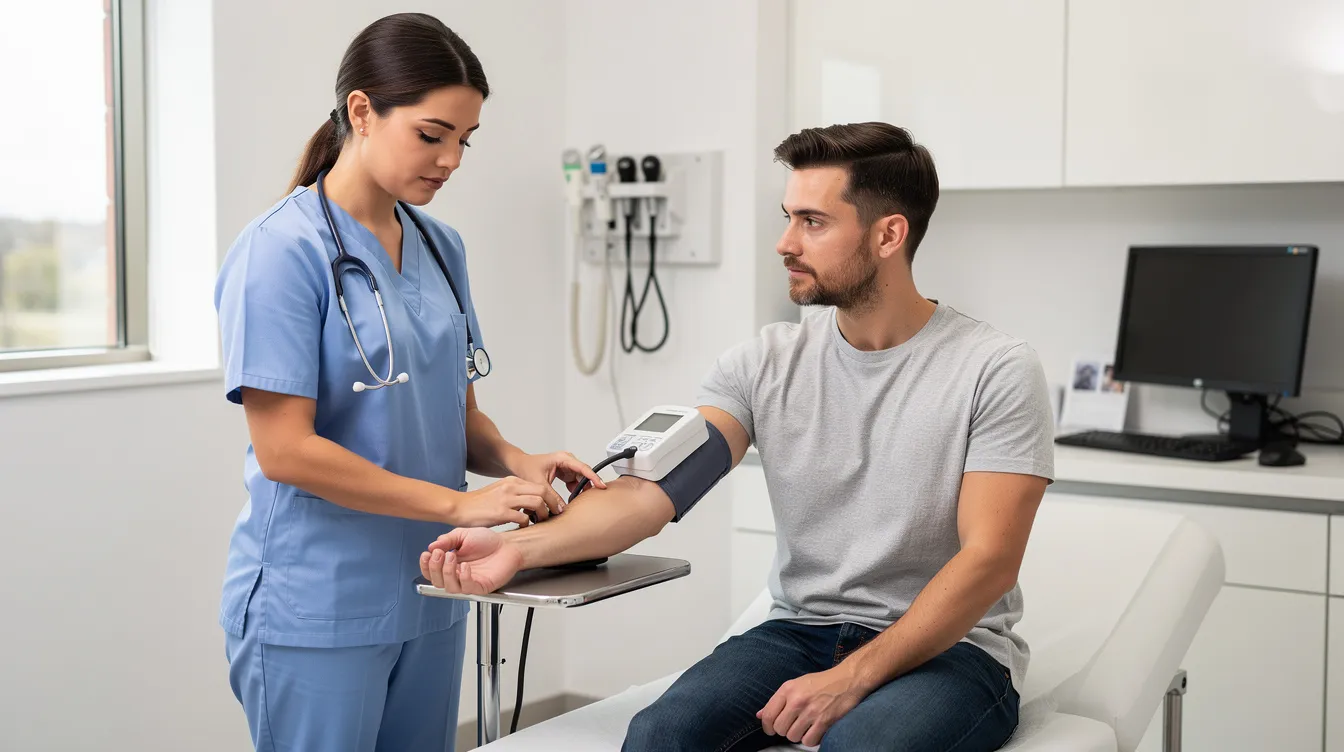
- Vital signs check on arrival
- Skin cleansing and placement of a small IV catheter in the forearm or hand
- Connection to your customized infusion bag with drip rate adjustment
- 30–60 minute relaxed infusion with reclining chairs, blankets, and Wi-Fi
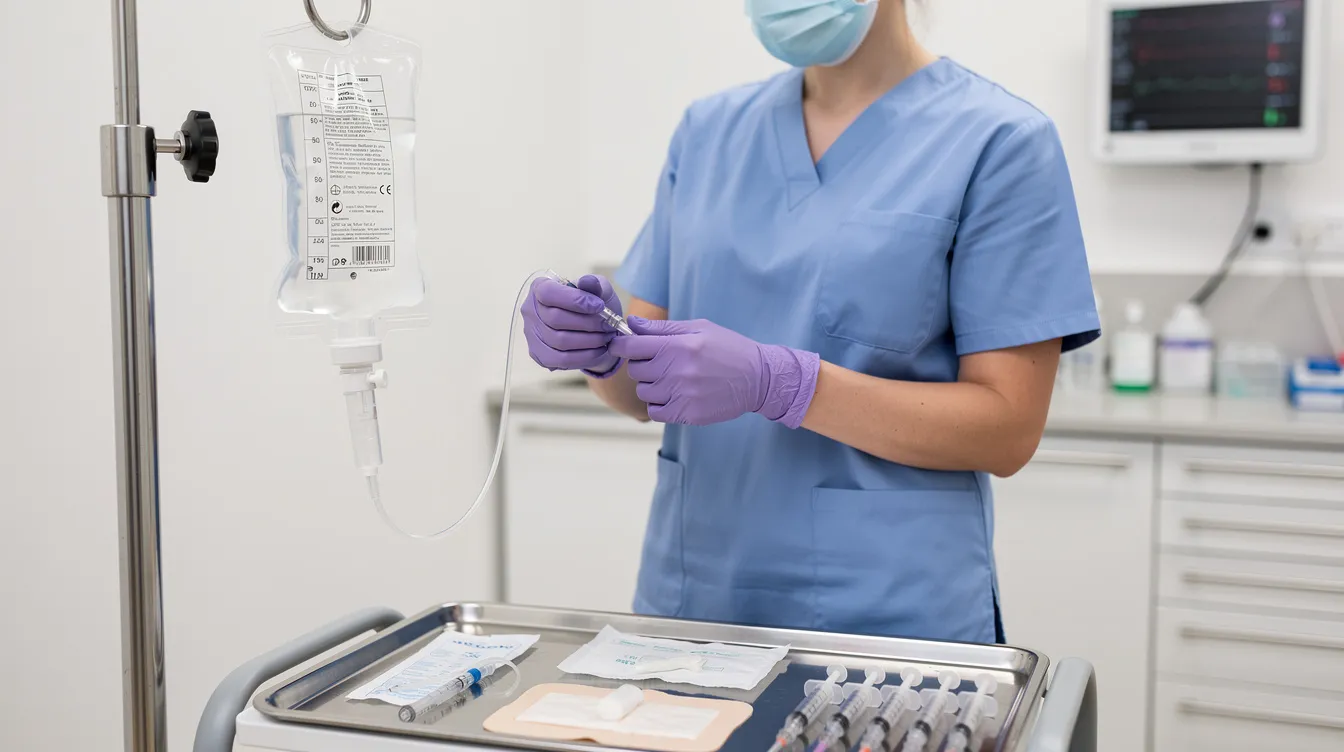
Post-infusion, expect a brief observation period and hydration recommendations. Common sensations include mild warmth or metallic taste with certain ingredients. Contact the clinic if any delayed symptoms occur.
Safety, Risks, and Who Should Avoid IV Nutrition
IV nutrition is a medical procedure requiring trained professionals, sterile technique, and proper screening. The safety of IV vitamin therapy is unclear, particularly for healthy people, and the claimed health benefits have not been confirmed. Very few studies exist on the safety and efficacy of IV vitamin therapy, and experts recommend that healthy people with a normal diet and digestive system rely on oral intake of nutrients. Potential complications include bruising at the IV site, vein irritation, infection, allergic reactions, fluid overload in susceptible individuals, electrolyte imbalances, upset stomach, and, in rare cases, damage to peripheral nerves. IV vitamin therapy may pose risks if administered improperly, especially in healthy people.
BWell mitigates risk through pre-treatment screening covering health history, medications, pregnancy status, and cardiovascular and kidney function. On-site monitoring during infusion adds an additional safety layer.
People who may need special clearance or may not be candidates include those with uncontrolled heart failure, advanced kidney disease, poorly controlled blood pressure, active severe infection, or pregnancy without OB approval. BWell avoids unproven disease-cure claims—intravenous micronutrient therapy supports wellness and recovery, not replacement of oncologic treatments or management of medical conditions like severe autoimmune disease.
How Often Should You Get IV Nutrition?
Frequency depends on your goals, current health, and lab findings. Example schedules used in practice:
- Loading phase: Weekly infusions for 3–4 weeks for clear deficiencies or burnout
- Maintenance: Every 3–4 weeks once baseline improvement is established
- Targeted sessions: Around high-stress periods, travel, or illness exposure
Clients in structured programs (medical weight loss, cardiovascular optimization, hormone balancing) may have infusion frequency aligned with those protocols. BWell clinicians regularly re-evaluate progress and may reduce frequency as your baseline improves. Sustainable lifestyle changes—nutrition, sleep, stress management, exercise—ultimately determine long term outcomes.
Integrating IV Nutrition with BWell’s Preventive & Longevity Programs
BWell operates as a preventive health and longevity clinic where iv nutrition therapy is one tool among many. Integration points include:
- Cardiovascular health: Supporting vascular function and inflammation control alongside PlaqueX programs and advanced peptide therapy
- Medical weight loss: Maintaining energy levels, preserving lean muscle, and replenishing micronutrients during peptide-assisted calorie restriction
- Hormone balance: Optimizing nutrient cofactors for hormone metabolism, supporting mood, sleep quality, and libido
- Allergy and immune support: Building immune resilience alongside immunotherapy protocols
Clinic Locations: Where to Get IV Nutrition with BWell
BWell offers intravenous nutrient therapy across
multiple Texas locations with consistent protocols and medical oversight:
- San Antonio – Stone Oak (Stone Oak wellness and primary care clinic)
- Austin – Lakeway (Lakeway wellness and primary care clinic)
- Dallas – Keller (Keller primary care and wellness services)
- Plano - (Plano primary care and wellness services)
All locations provide access to BWell’s broader personalized wellness therapies including iv therapy, cardiovascular diagnostics, hormone programs, medical weight loss, allergy care, and longevity evaluations. Virtual consultations are available for program planning and follow-up, with in-person visits required for infusions and certain diagnostics.
How to Get Started with IV Nutrition at BWell Clinic
The first step isn’t choosing a drip from a menu—it’s booking a consultation so a clinician can understand your goals, review your health history, and order baseline labs when appropriate as part of your personalized health journey.
Initial consultations cover fatigue, sleep, stress, weight, hormone symptoms, heart risk factors, medications, and supplement use within BWell’s broader personalized health care model. BWell may recommend preliminary tests (basic metabolic panel, vitamin B12, vitamin D, lipid profile, inflammatory markers) before intensive or frequent infusions, aligning IV therapy with broader health optimization programs.
Onboarding includes consent forms, safety screening, individualized protocol approval, and scheduling your first infusion—usually aligned with other program milestones.
Ready to explore how iv nutrition fits into your overall wellness plan? Call your nearest BWell location or use the online booking form to schedule a consultation for intravenous nutrient therapy and preventive wellness planning.
Frequently Asked Questions About IV Nutrition
Is IV nutrition the same as getting a hospital “vitamin drip” or TPN?
No. BWell’s nutrient therapy focuses on vitamins and minerals, amino acids, and antioxidants in relatively small fluid volumes for adults who eat normally. Hospital total parenteral nutrition (TPN) is administered in a hospital setting through a central vein, typically the superior vena cava, to deliver complete calories (glucose, lipids, proteins) for patients who cannot use their digestive system. TPN is used for long term intravenous therapy and requires close medical supervision. BWell does not provide TPN but coordinates with specialists if someone needs that level of support.
How quickly will I feel a difference after treatment?
Some people feel more hydrated or energized within hours, while others notice gradual improvements over several sessions as nutrient deficiencies are corrected. Response depends on your baseline health, sleep, stress, and whether therapy is part of a multi-faceted wellness plan. Realistic expectations are discussed during your consultation.
Can I receive IV nutrition if I’m taking prescription medications?
Many BWell clients take medications for blood pressure, thyroid, mood, and other conditions. Clinicians carefully review all prescriptions before designing your formula—certain interactions (like magnesium with some blood pressure drugs) require professional oversight. Bring a complete medication list including over-the-counter and herbal products to your consultation.
Is IV nutrition covered by insurance?
Most commercial insurance plans don’t cover wellness-oriented iv therapy, though they may cover hospital-grade parenteral nutrition for severe disease. BWell operates on a transparent, self-pay basis with pricing reviewed before treatment. HSA or FSA funds may be used when allowed by your plan.
Can I do IV nutrition if I’m pregnant or breastfeeding?
Pregnancy and breastfeeding require additional caution. Some ingredients haven’t been fully studied in these populations. BWell requires disclosure of pregnancy status and, when appropriate, coordination with your OB-GYN before considering any infusion. In many cases, IV nutrition may be deferred or significantly modified during pregnancy.
Recent Posts