How Lifestyle Data Shapes Your Personalized Health Plan at Bwell Clinic

Modern healthcare is changing fast. People are no longer satisfied with general advice that overlooks their daily habits. They want care that reflects how they live, eat, sleep, and move. Technology and data tracking now make that possible. Through wearable devices, apps, and medical monitoring, doctors gain accurate insights into how your lifestyle influences your health and use this information to create a personalized health plan. A personalized health plan provides individuals with a personal health plan to maximize their health and minimize disease, utilizing predictive technologies to assess health risks and engage patients in their health management.
This article explains how lifestyle data is used to create personalized health plans for individuals who want healthcare tailored to their unique needs. Understanding this process can help you take control of your health and achieve better outcomes. Engaging individuals in their health through personalized health planning can significantly enhance health outcomes by identifying specific health needs and developing coordinated care plans tailored to those needs.
Personalized health plans are designed around individual needs, unique risk profiles, and life goals, delivering measurable peace of mind by aligning protection with real needs.
This shift is transforming preventive care. A modern primary care clinic now studies your lifestyle data to build plans based on evidence, not assumptions. The goal is simple: use real data to predict risks, prevent illness, and improve your long-term well-being.

The Shift to Data-Driven Preventive Medicine
Lifestyle data refers to measurable patterns in your daily routine. It includes activity levels, diet, sleep, hydration, and stress. These details help doctors see how your choices affect your metabolism, energy, and organ function.
Data-driven medicine focuses on prevention rather than treatment. Instead of waiting for symptoms, doctors study your data to find warning signs early. Factors such as genetic inheritance and environmental exposures are also considered in assessing disease progression. Studies show that consistent monitoring helps identify cardiovascular risks and metabolic disorders before they progress. For example, tracking sleep and activity has been linked to better heart health and lower diabetes risk. Early disease prevention uses predictive data, such as genetic testing and biomarker analysis, to identify inherited health risks before clinical signs or symptoms develop.
In a wellness clinic setting, lifestyle tracking tools help professionals connect what you do every day to your overall health. This information allows for precise recommendations and early interventions. Data-driven personalization in insurance uses structured inputs like health records and claims history to tailor policies to individual needs. To transition from a generic to a personalized health plan, it is advised to begin with an advanced wellness physical with a physician.
As you learn how lifestyle data is used, you'll see how it forms the foundation for a truly individualized approach to health.
What Lifestyle Data Reveals About Your Health
Your body produces measurable information every day. When organized correctly, that data tells a story about how your systems perform.
Common data categories include:
- Physical activity – Steps taken, heart rate, and workout intensity help assess cardiovascular health.
- Sleep quality – Hours of rest, deep sleep cycles, and wake patterns affect recovery and hormone balance.
- Nutrition – Daily intake of protein, carbohydrates, and fats influences weight and energy levels.
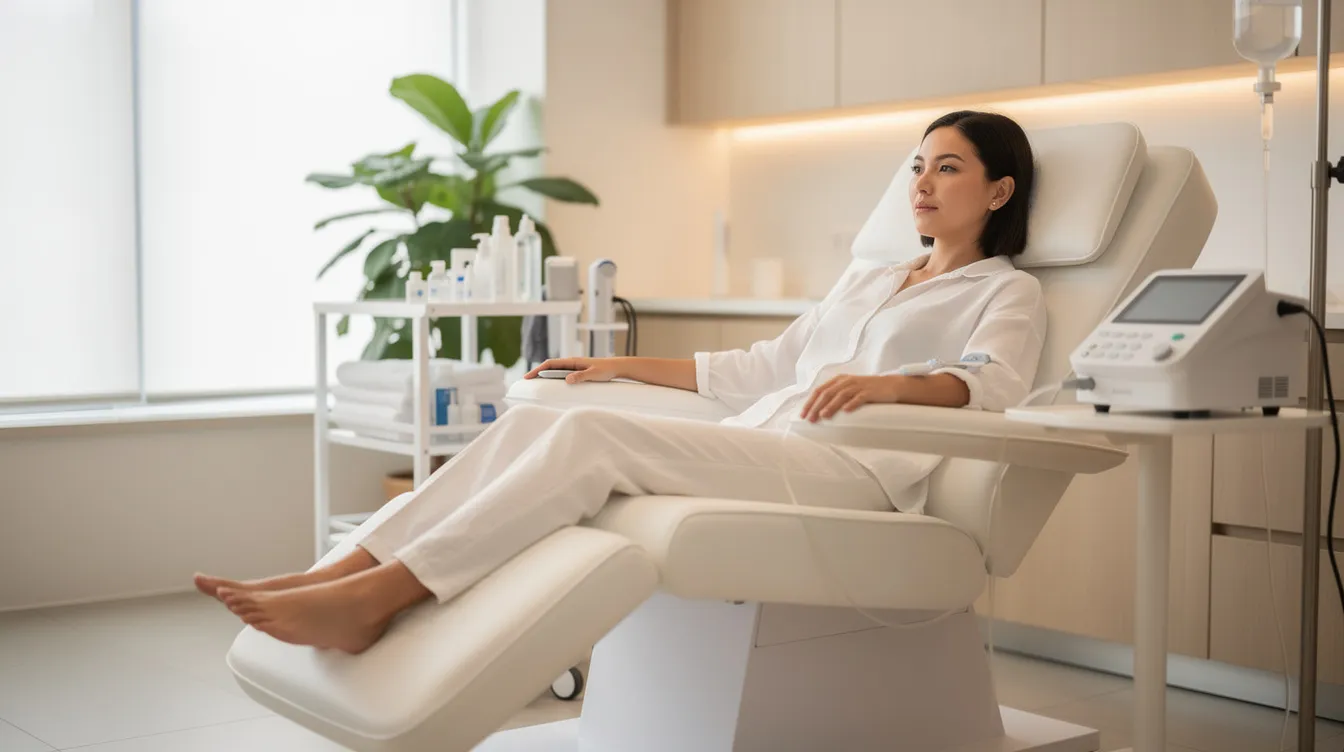
- Hydration – Regular fluid tracking and supportive options like IV therapy for hydration and wellness help maintain metabolic function and circulation.
- Stress and mood – Monitoring stress responses and mental well-being shows how emotional strain impacts physical health.
When doctors compare lifestyle data with clinical test results, they can see trends that traditional check-ups might miss. For example, irregular sleep patterns may explain unstable blood pressure readings or reduced focus. This helps doctors adjust treatment plans faster and more accurately.
Mental health and stress management strategies are important in a personalized health plan to support emotional regulation. By including these aspects, your plan addresses both physical and emotional well-being, ensuring a more comprehensive approach to health.
Understanding what your lifestyle data reveals is the first step—next, see how clinics use this information to create actionable plans.

How Clinics Turn Data Into Personalized Health Care Plans
A modern medical clinic combines technology with medical expertise. The process often starts with personalized wellness programs that include comprehensive assessments, physical exams, lab tests, and lifestyle tracking. Doctors review this information to identify health risks and opportunities for improvement.
Here is how the process works:
- Assessment – You complete an advanced physical exam that includes lab work, imaging, and functional tests.
- Data collection – Your lifestyle data, such as activity, sleep, and diet logs, is analyzed.
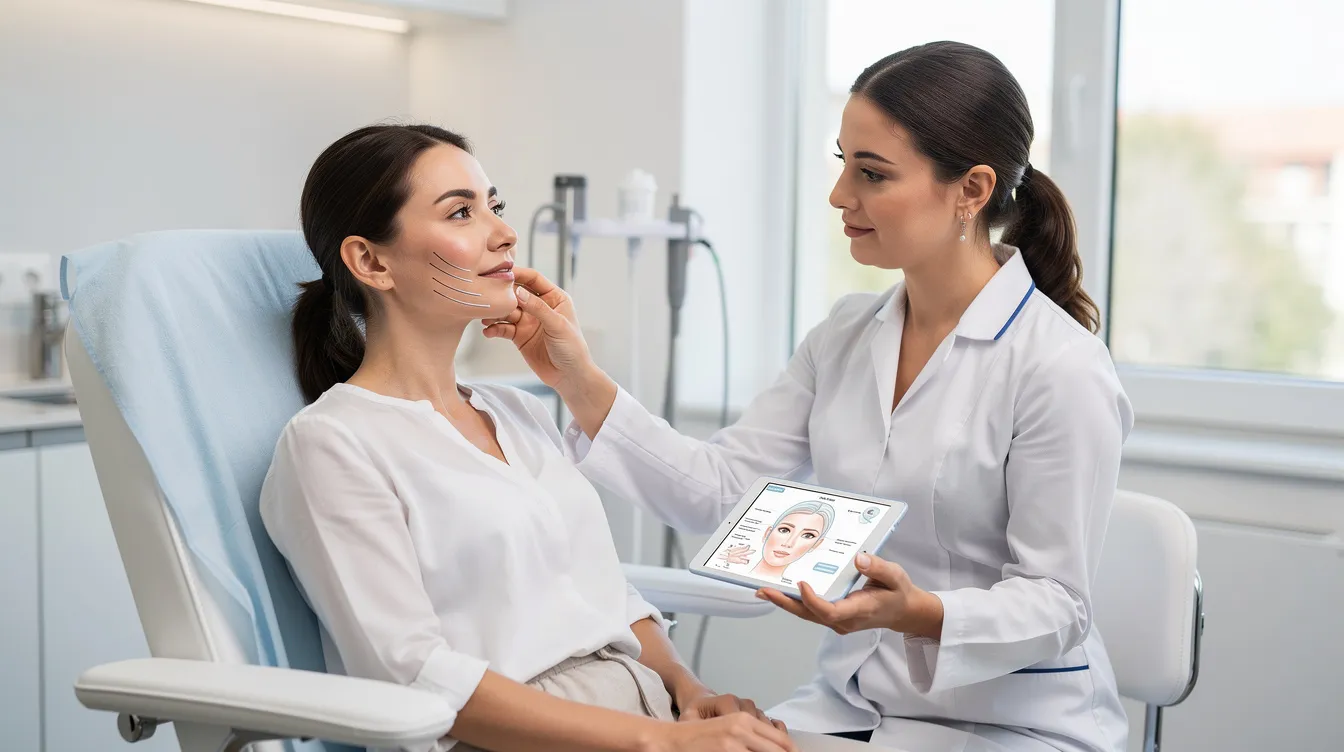
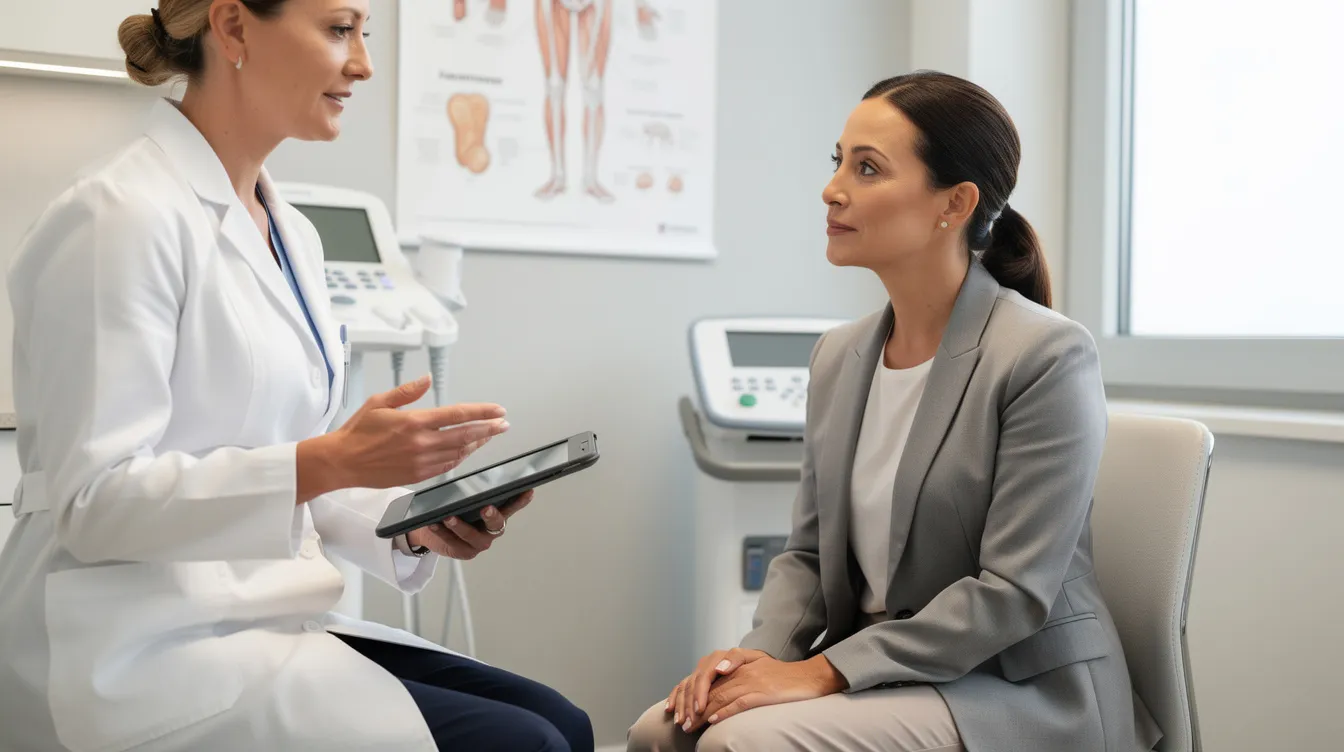
- Consultation – The doctor reviews all data and explains how it relates to your current health.
- Personalized plan – A structured plan is developed with recommendations for diet, exercise, sleep, and supplements.
- Monitoring and adjustment – The plan is updated based on progress and new data over time.
This continuous process helps patients stay engaged. Instead of general advice, they receive specific, measurable goals. For example, a patient with fatigue may be guided to increase iron intake or improve sleep consistency based on tracked patterns.
With a personalized plan in place, it's important to understand the broader benefits this approach brings to both patients and the healthcare system.
The Benefits of Patient Participation
Patient participation plays a crucial role in the success of personalized health care. When individuals take an active role in managing their health insurance plans and collaborating with their providers, they are better equipped to address their unique needs and improve their overall well-being. Engaging with health care professionals allows patients to tailor their health plans based on their health status, medical history, and lifestyle, ensuring that coverage options and services truly reflect their personal circumstances.
By understanding the details of their health insurance coverage—such as provider networks, prescription drugs, and available services—patients can make informed decisions that directly impact their health outcomes and help manage health care costs. This is especially important during the special enrollment period or open enrollment, when patients have the opportunity to review and adjust their insurance plan to better align with any changes in their health or life events.
Active participation also empowers patients to monitor disease progression, seek preventive care, and advocate for personalized treatment plans. This shift toward a more patient-centered health care system not only enhances quality care but also supports long-term health and well-being. By prioritizing patient involvement, both providers and patients can work together to develop plans that are responsive, flexible, and focused on achieving the best possible outcomes.
Understanding the importance of your role in the process sets the stage for appreciating the tangible benefits of lifestyle-driven health insurance plans.
Benefits of Lifestyle-Driven Health Insurance Plans
A personalized health plan improves both care quality and patient outcomes by providing individuals with a personal health plan to maximize their health and minimize disease, utilizing predictive technologies to assess health risks and engage patients in their health management. This approach marks a shift from a reactive, disease-centric health care system to a proactive, wellness-focused model that emphasizes disease prevention and precise treatment.
Here are the main benefits:
- Early detection of risks – Continuous tracking identifies small changes before they become serious conditions.
- Accurate treatment – Data helps doctors prescribe targeted solutions that fit your lifestyle and biology, and tailored policy features benefit the insured by focusing protection where it's needed most.
- Improved engagement – When patients see progress through measurable data, they stay more committed to the plan. Personalized insurance plans enhance financial security by aligning coverage limits and riders with likely exposures, lowering the risk of underinsurance and unexpected liability.
- Better coordination of care – All professionals involved have access to consistent information, reducing guesswork.
The primary benefit of personalized insurance plans is fewer coverage gaps and lower total cost of risk because protection is focused where it's needed most, utilizing data-driven underwriting and tailored policy features.
For instance, studies show that people who track sleep, activity, and nutrition regularly experience better control over blood sugar and blood pressure—personalized plans supported by data lead to sustainable health improvements.
Personalized insurance coverage delivers distinct advantages such as improved financial security by targeting real exposures, cost-efficiency through reduced wasteful coverage, and deeper emotional peace of mind because protection matches priorities. Personalized insurance creates peace of mind by combining practical financial protection with emotional reassurance: tailored coverage reduces the likelihood of unexpected shortfalls, while coordinated financial instruments smooth income and legacy transitions. The emotional benefit of personalized insurance includes reduced worry and clearer contingency planning, stemming from knowing specific scenarios were considered during policy design.
Engaging individuals in their health through personalized health planning can significantly enhance health outcomes by identifying specific health needs and developing coordinated care plans tailored to those needs.
With these benefits in mind, let's explore how personalized health plans are especially valuable for those managing chronic conditions.
Managing Chronic Conditions with Personalized Health Plans
For individuals living with chronic conditions such as diabetes, hypertension, or heart disease, personalized health plans are essential for effective management and improved quality of life. These plans are developed by health care providers who take into account each patient’s medical history, current health status, and lifestyle, ensuring that every aspect of care is tailored to unique needs.
Comprehensive Coverage for Chronic Conditions
Personalized health plans often include comprehensive coverage for prescription drugs, medications, targeted allergy treatments and immunotherapy, and access to specialized provider networks, making it easier for patients to receive the ongoing care and services they require. During open enrollment or a special enrollment period, patients with chronic conditions can explore different health insurance plans to find the best fit for their needs, ensuring continuous access to necessary treatments and minimizing out-of-pocket expenses.
By focusing on early intervention, preventive care, and patient education, personalized plans help prevent disease progression and reduce overall health care costs. Providers work closely with patients to develop simple steps for managing their conditions—such as regular health monitoring, medication tracking, and adopting healthy lifestyle habits. This collaborative approach not only empowers patients to take control of their health but also leads to better health outcomes, reduced health care expenses, and a more fulfilling life.
With the right insurance coverage, effective medical weight loss programs, hormone balance for better health, and a dedicated health care team, managing chronic conditions becomes a proactive, manageable process—one that supports long-term wellness and peace of mind.
Now that you understand the importance of managing chronic conditions, let's look at how you can start tracking your lifestyle data effectively.
Simple Steps to Start Tracking Lifestyle Data the Right Way
Effective tracking depends on consistency and accuracy. The goal is to gather reliable information that helps your doctor make informed decisions. Tracking your health data can also clarify which services are eligible for coverage, count toward your deductible, or are subject to exclusions in your personalized health plan.
Choosing the Right Tracking Tools
Here are practical ways to start:
- Use wearable fitness trackers to measure steps, heart rate, and activity time.
- Log meals and hydration using reputable nutrition apps.
- Record your sleep duration and quality through sleep-tracking devices.
- Monitor mood and stress with journaling or digital apps that record daily ratings.
Choose tools that are evidence-based and medically recognized, and consider options that support busy lifestyles, such as IV therapy energy boosts for busy parents. Avoid collecting too much data without understanding what it means. Always review your records with a healthcare provider to interpret results correctly, paying close attention to eligibility criteria and plan exclusions to ensure you understand what is covered and what may impact your deductible.
Once you have the right tools and habits in place, partnering with health optimization programs and personalized IV nutrition therapy at a trusted wellness provider can help you make the most of your data.
Why Your Wellness Partner Matters
Having a trusted wellness clinic — such as a wellness and primary care clinic in Keller, TX — ensures your lifestyle data is used effectively. Experienced professionals interpret data accurately and connect it to your lab results and medical history. They also provide regular guidance and adjust your plan when patterns change. Choosing a provider network that includes access to preferred hospitals and specialists for all members is essential for truly personalized health plan options. Employers are increasingly recognizing the importance of providing access to a diverse roster of healthcare professionals, which enhances the flexibility of health benefits and allows employees to select their preferred doctors and specialists at locations such as a wellness and primary care clinic in Stone Oak.
Without proper guidance, even good data may be misinterpreted. A wellness team offers clinical insight that software alone cannot provide. They look at the full picture, combining your physical results with real-life behaviors and drawing on personalized health optimization programs and peptide therapy for preventive health. Modern health benefits programs are expected to offer flexibility, allowing employees to choose from a variety of medical, dental, vision, and other benefits that suit their individual needs, while transparent policies like a clear cookie policy and privacy framework build trust in how health data is used.
A clinic that integrates nutrition counseling, exercise science, hormone testing, and preventive care with personalized wellness therapies and advanced peptide therapy for optimal wellness offers a complete solution. It allows patients to manage their health instead of reacting to illness. Comprehensive wellness clinics may also offer dental, vision, disability, and critical illness coverage as part of a flexible benefits package, supporting the diverse needs of individuals and families, especially in active communities served by a wellness and primary care clinic in Lakeway, TX.
With the right wellness partner, your personalized health plan becomes a living document—constantly evolving to meet your changing needs.
Frequently Asked Questions about How Lifestyle Data Shapes Your Personalized Health Plan at Bwell Clinic
What is a personalized health plan?
A personalized health plan is a tailored approach to healthcare that uses your unique lifestyle data, medical history, and risk factors to create a customized strategy for disease prevention, wellness, and treatment within clearly defined terms and conditions for your care. It focuses on maximizing your health outcomes by addressing your specific needs rather than offering generic advice.
How does lifestyle data improve my personalized health plan?
Lifestyle data such as physical activity, sleep quality, nutrition, hydration, and stress levels provide valuable insights into your daily habits and their effects on your health. By analyzing this data, healthcare providers can identify early warning signs, adjust treatment plans, and recommend targeted interventions that align with your real-life behaviors.
Can personalized health plans help manage chronic conditions?
Yes. Personalized health plans are especially beneficial for managing chronic conditions like diabetes, hypertension, and heart disease. They incorporate comprehensive coverage, medication management, and lifestyle recommendations tailored to your condition, helping to prevent disease progression and improve quality of life.
What role does my wellness partner or clinic play in my personalized health plan?
Your wellness partner interprets your lifestyle and medical data, provides expert guidance, and continuously adjusts your plan based on your progress. They ensure your personalized health plan integrates with your medical care, insurance coverage, and other products to provide a comprehensive, flexible approach to your health.
How can I start tracking my lifestyle data effectively?
Begin by using reliable wearable devices and apps that monitor steps, heart rate, sleep, nutrition, hydration, and stress. Consistency and accuracy are key, so choose tools that fit your lifestyle and review your data regularly with your healthcare provider to make informed decisions.
Personalized Health Begins with the Right Partnership
Personalized health is not a future concept. It is available now through advanced wellness assessments and consistent monitoring. Your personalized health journey can be tailored for clients, families, and organizations, supporting their unique health coverage and financial needs. When lifestyle data meets medical insight, the result is precise, preventive care that aligns with your real life.
At BWell Clinic in Plano, TX, we use evidence-based methods to design health plans built around your data. Our team combines advanced diagnostics with practical lifestyle strategies and offers Botox and Dysport treatments alongside wellness therapies. Employers and employees benefit from self-funding health plans, which allow for greater control, cost reduction, and tailored coverage to meet specific needs. We help patients understand their results, set clear goals, and measure progress over time. Personalized plans can help manage income stability, pay for health expenses, and optimize premium costs. Clinics that focus on personalized health across Texas often coordinate with insurers—for example, Blue Shield uses multiple pharmacy benefit managers to provide comprehensive coverage options.
If you want a health plan that reflects your daily habits and supports long-term results, schedule a consultation with us at BWell Clinic today. Review our privacy policy and data practices to understand how your information is protected. Start your path toward measurable, data-driven wellness by visiting us.
BWell Clinic Locations
BWell Clinic proudly serves patients across Texas with multiple convenient locations designed to provide personalized health care close to home. Each location offers comprehensive preventive medicine, wellness therapies, personalized hair restoration services, and personalized health plans tailored to your unique needs.
- San Antonio - Stone Oak
Address: 12345 Stone Oak Parkway, San Antonio, TX
Visit San Antonio Location - Austin - Lakeway
Address: 6789 Lakeway Blvd, Austin, TX
Visit Austin Location - Dallas - Keller
Address: 2345 Keller Parkway, Dallas, TX
Visit Dallas Location - Plano
Address: 9876 Plano Road, Plano, TX
Visit Plano Location
Whether you prefer in-clinic visits or virtual consultations, BWell Clinic is committed to supporting your personalized health journey with expert care and advanced diagnostics across all locations.
Recent Posts